Equipment 01
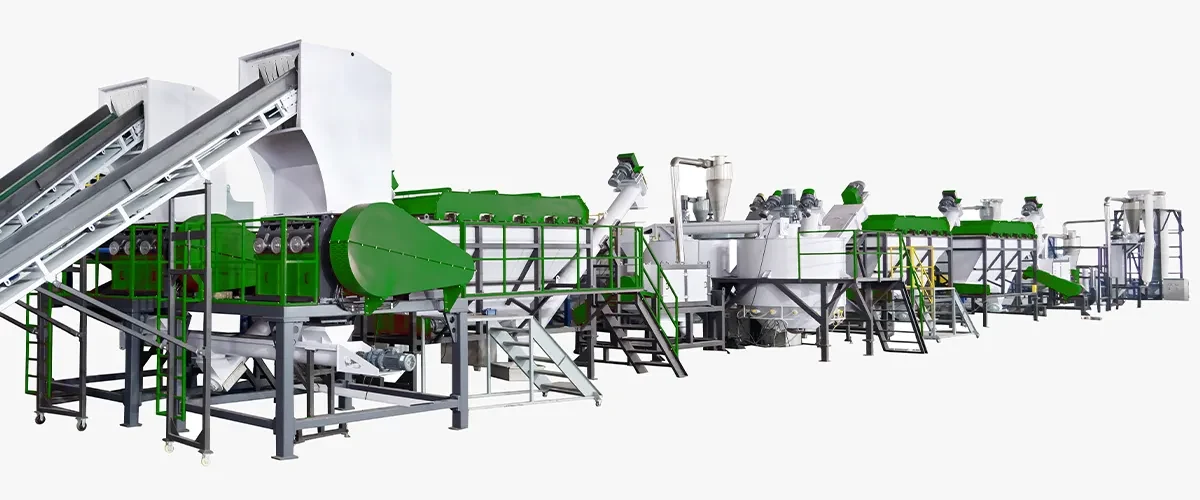
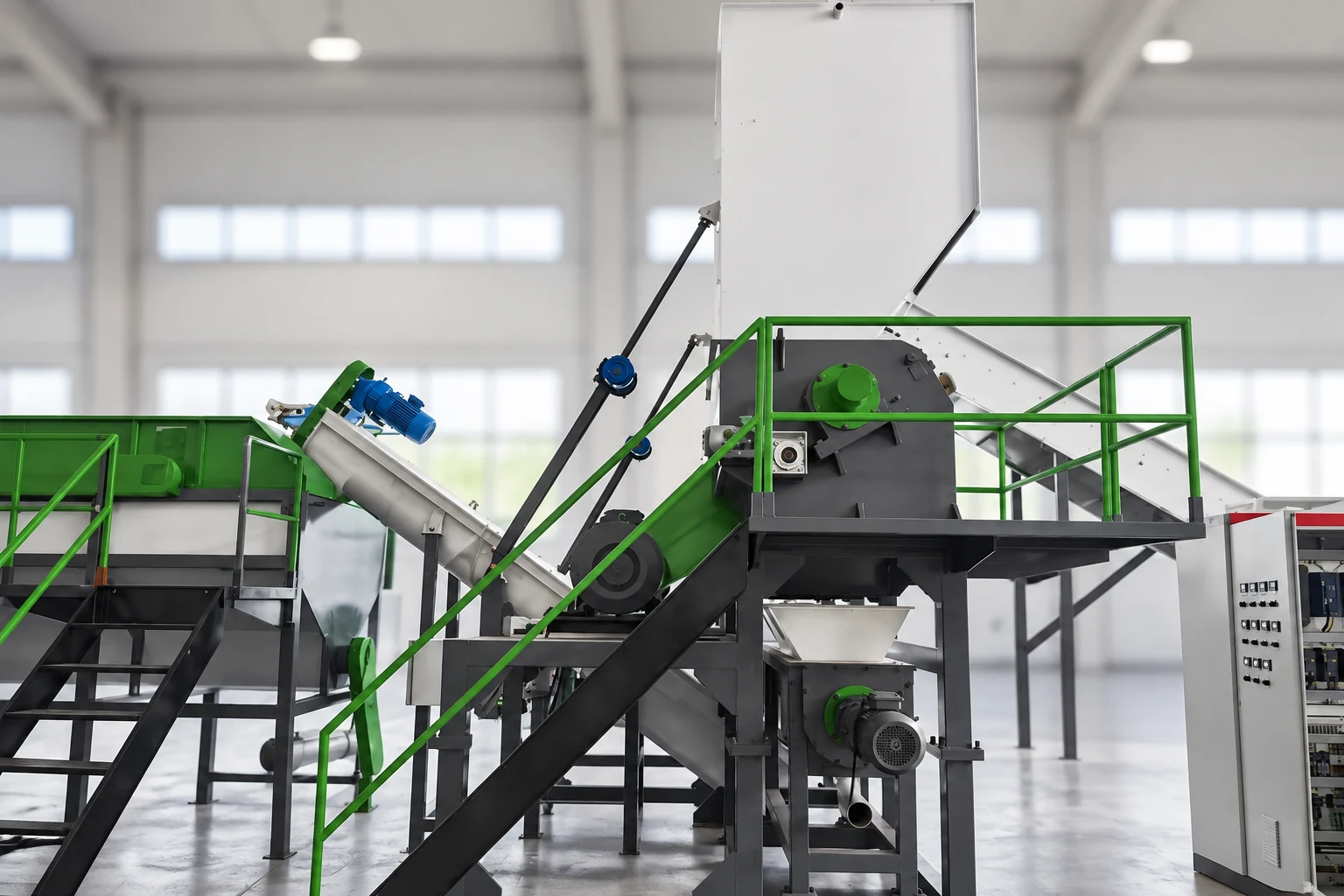
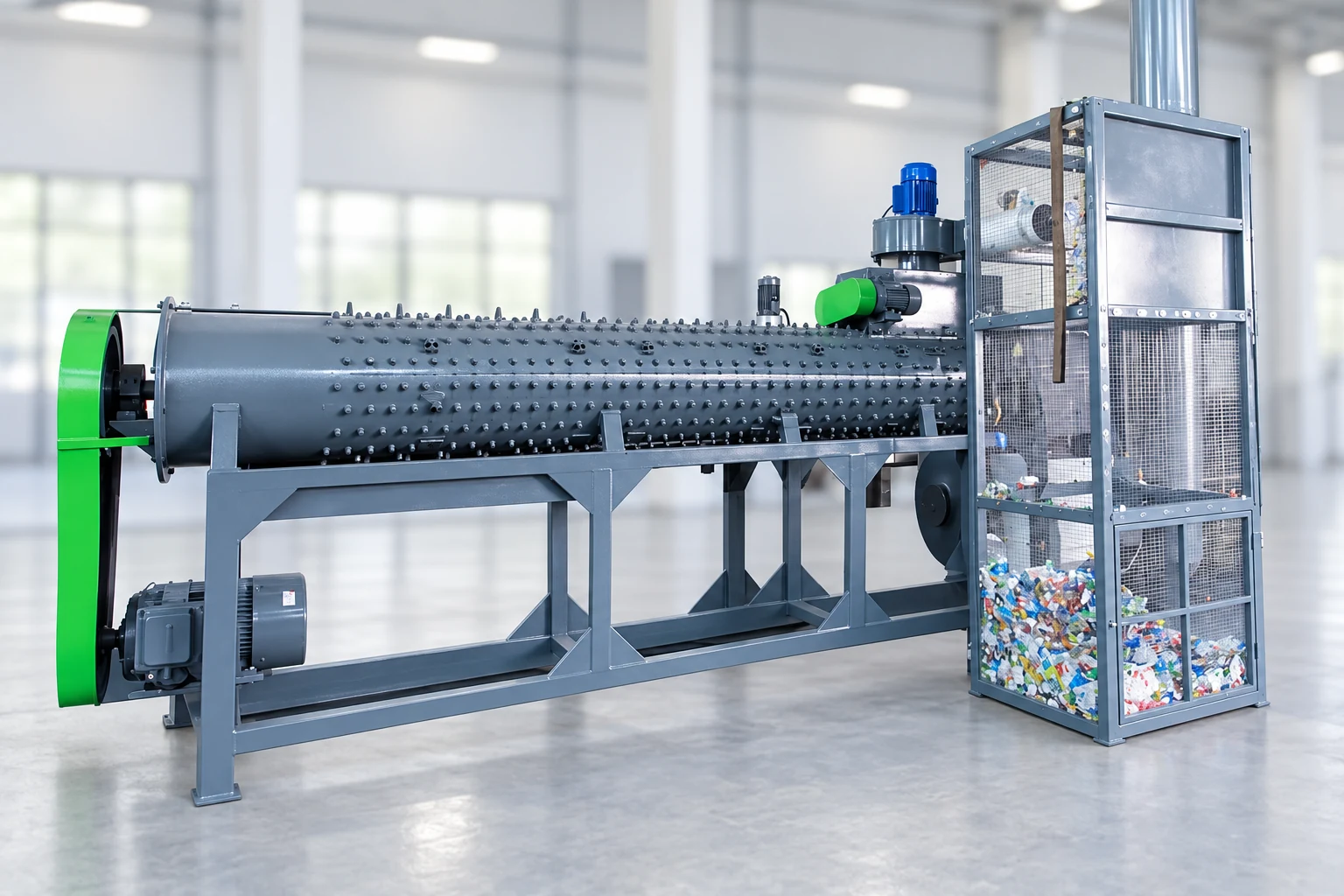
Line overview
Turn used PET bottles into clean, dry flakes for fiber, sheet, strap or pelletizing.
The same route is described in our guide to how a PET bottle washing line works.
Process
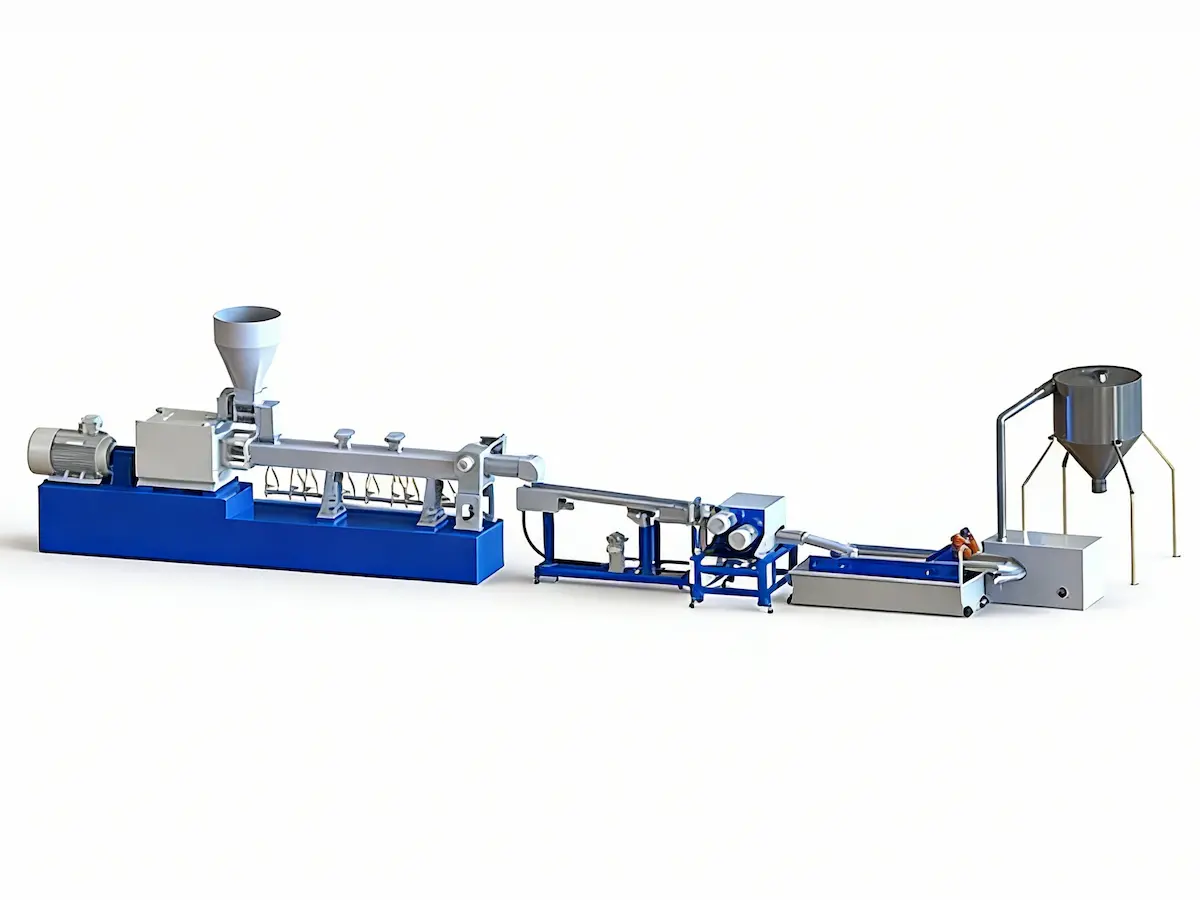
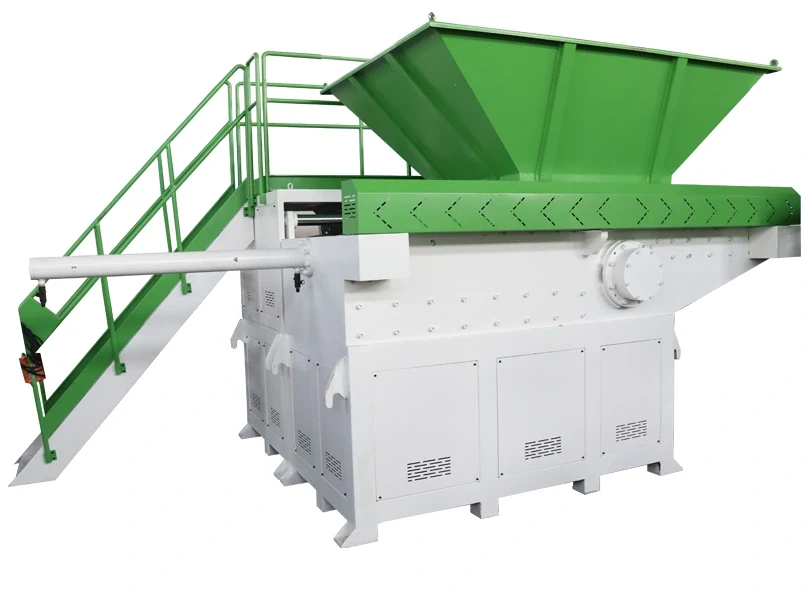
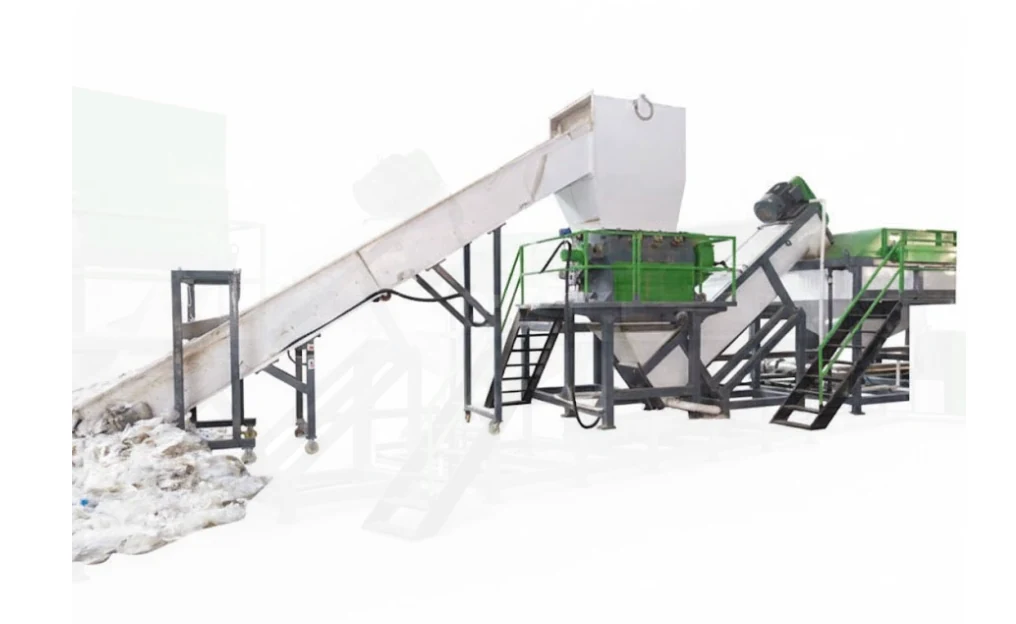
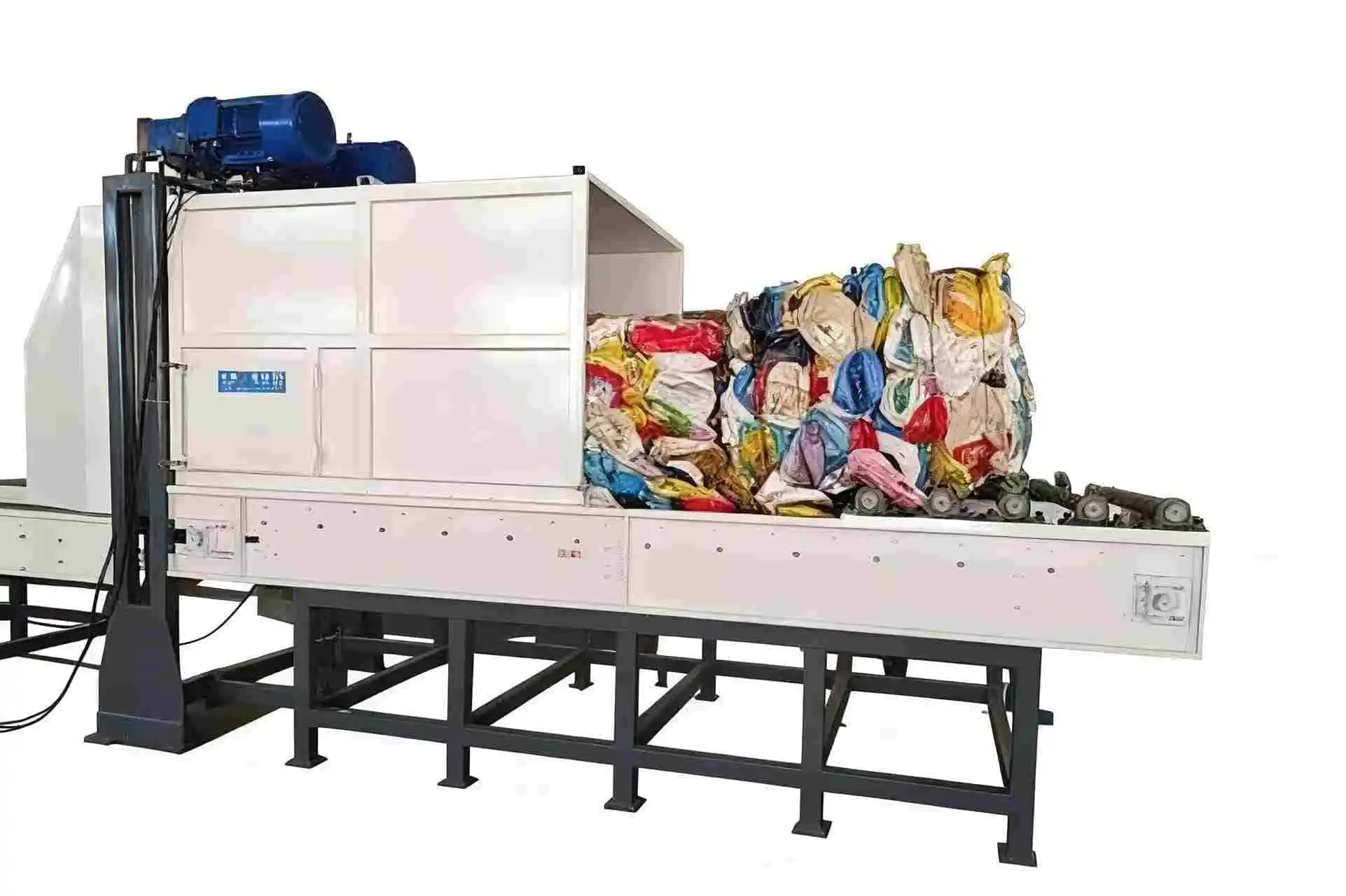
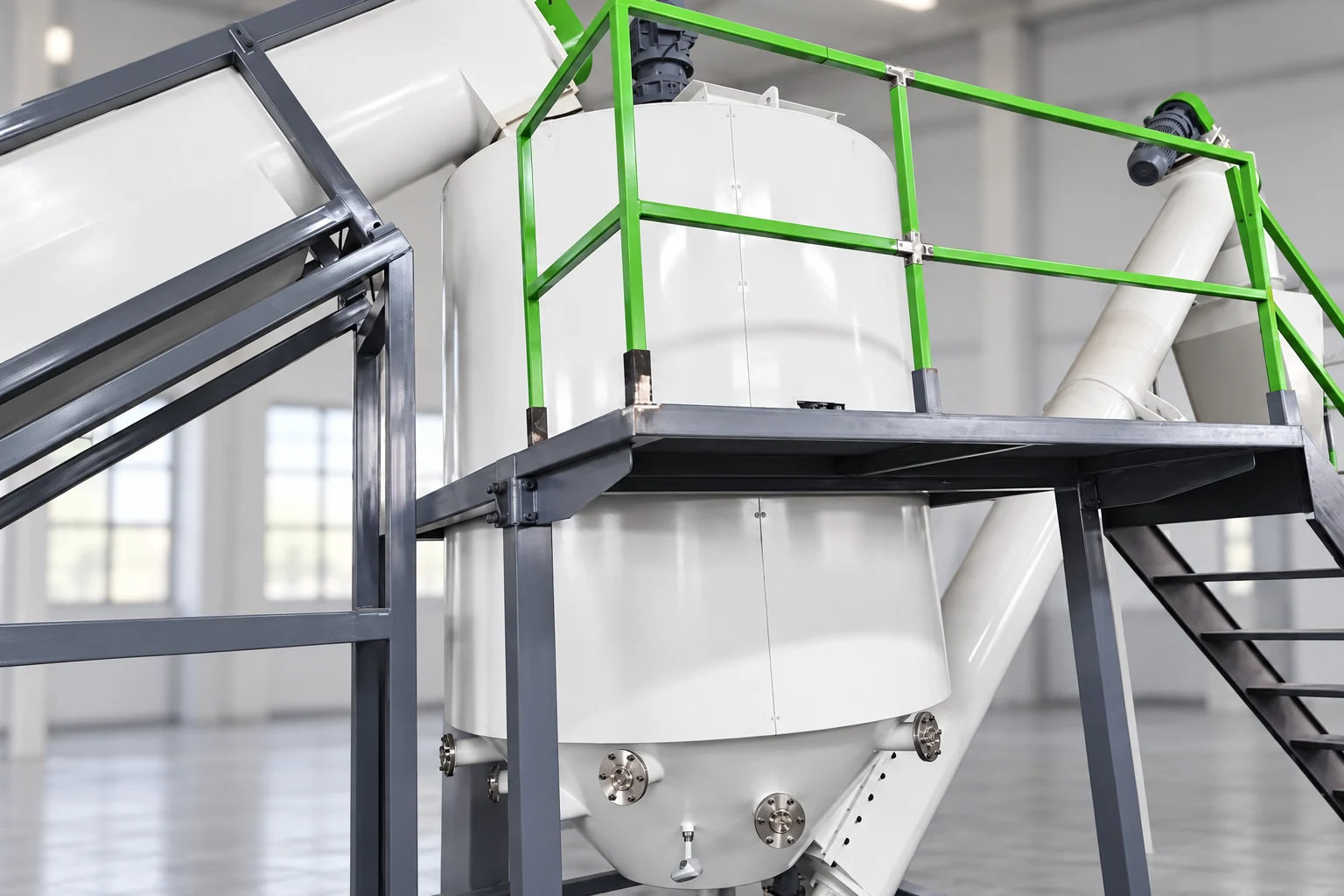
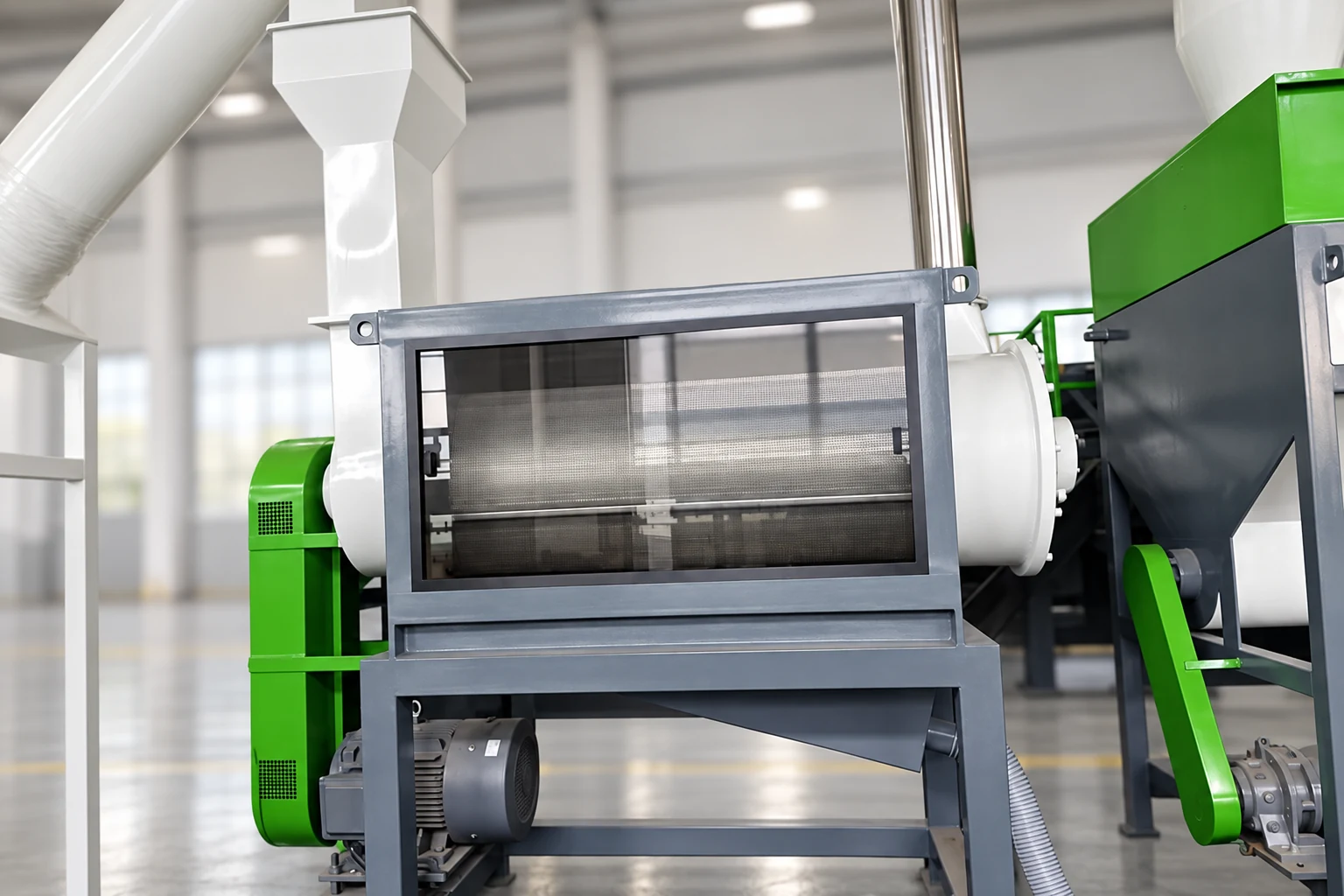
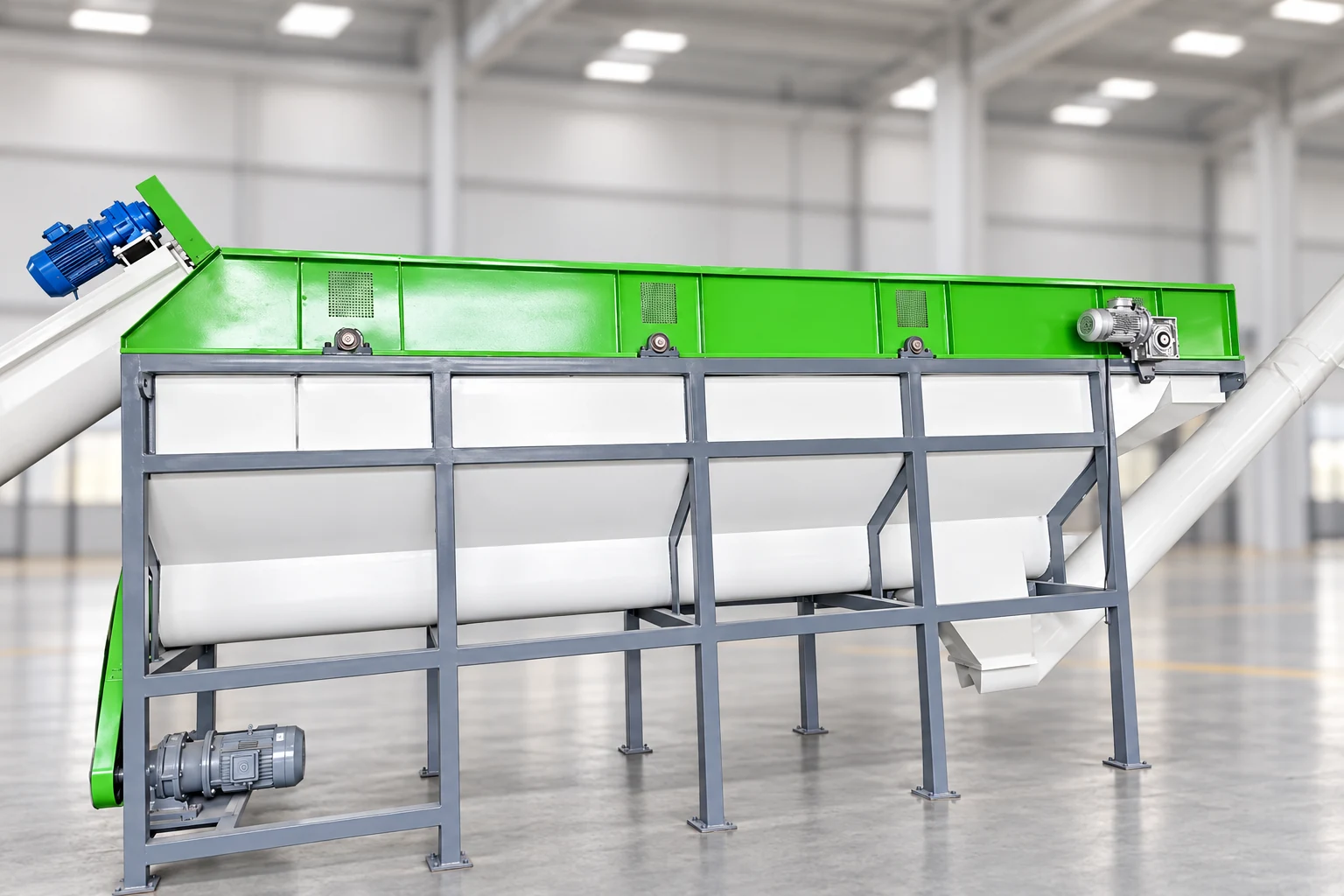
Washing line detail photo set
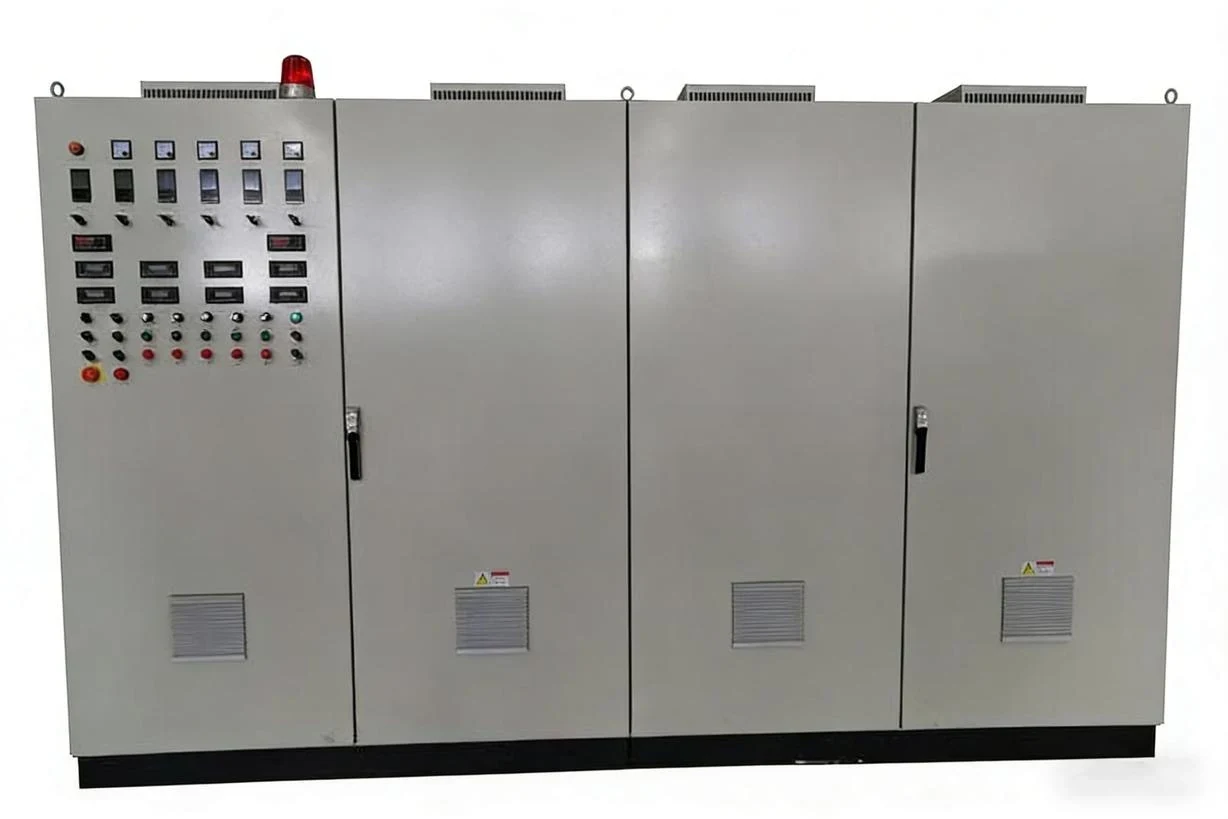
12 core machines and controls used to configure the complete PET bottle washing line.Equipment 01
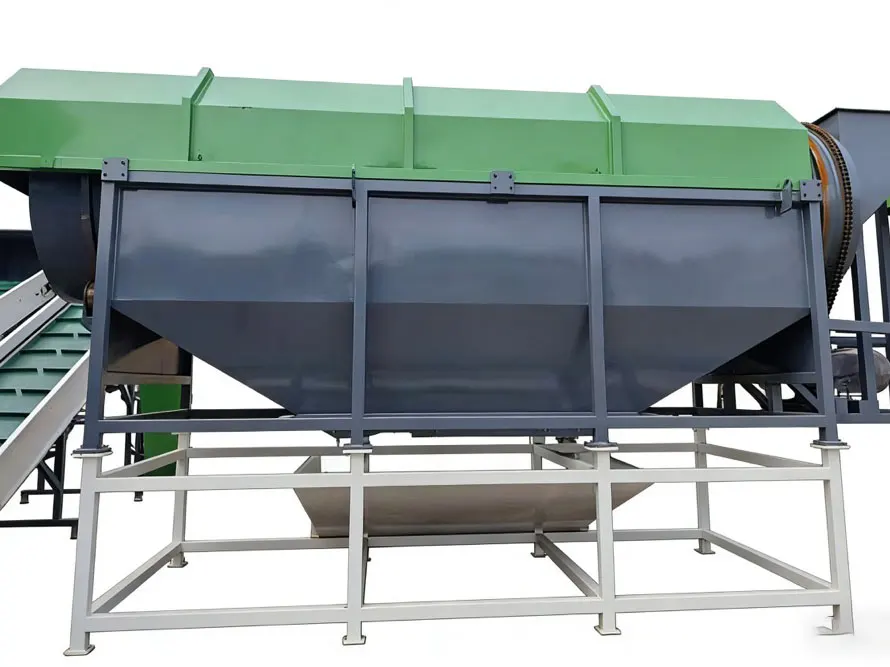
Equipment 02
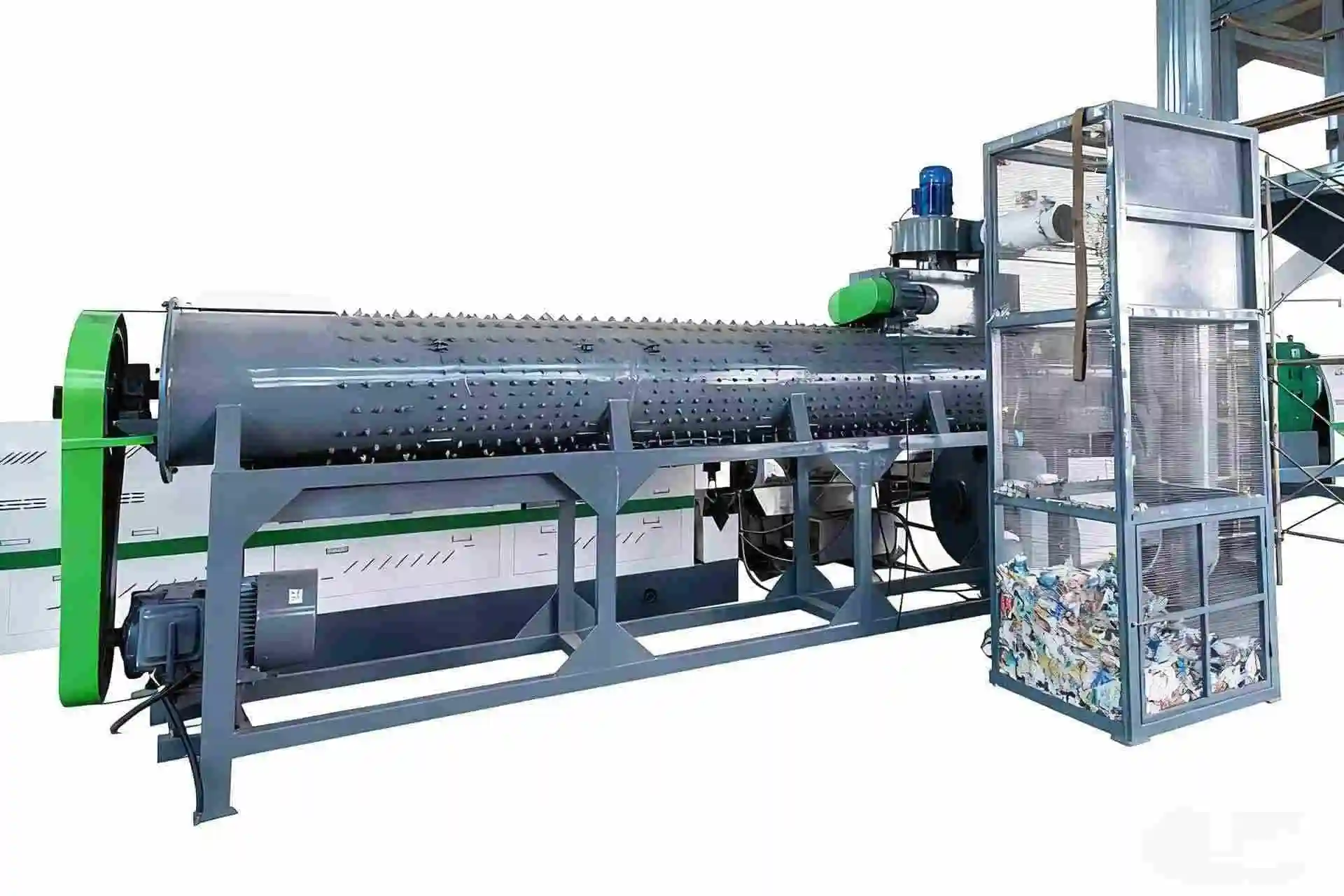
Equipment 03
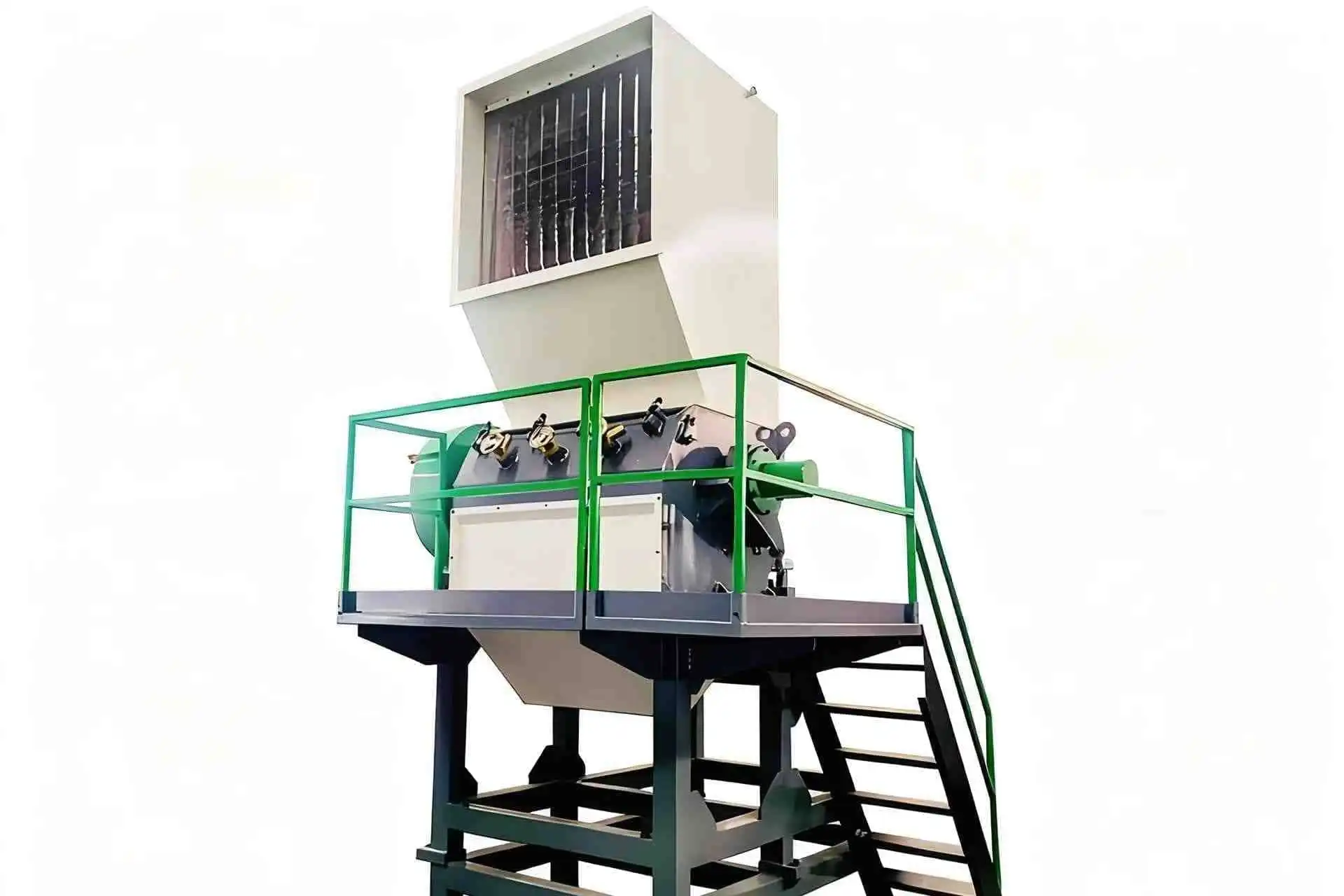
Equipment 04
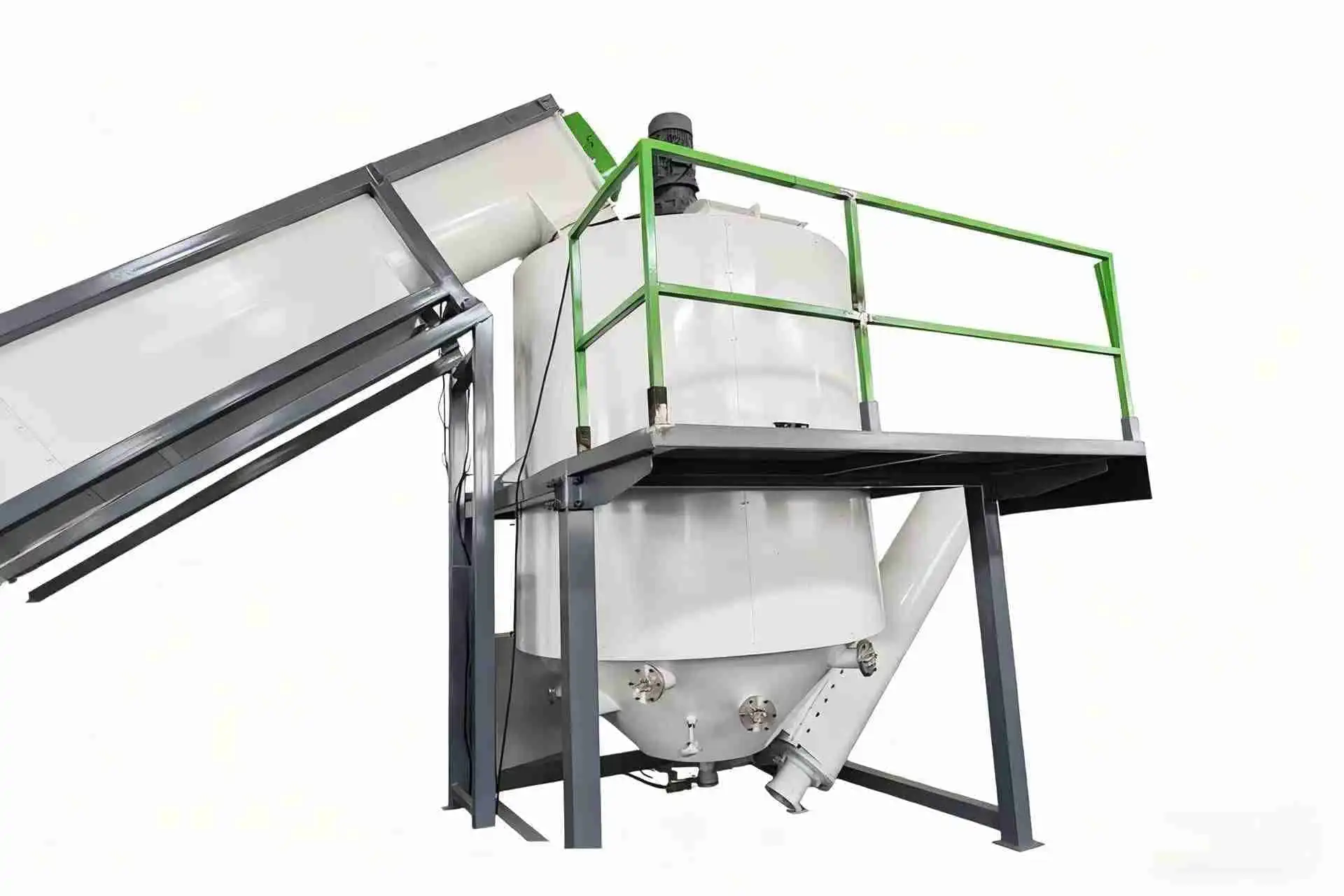
Equipment 05
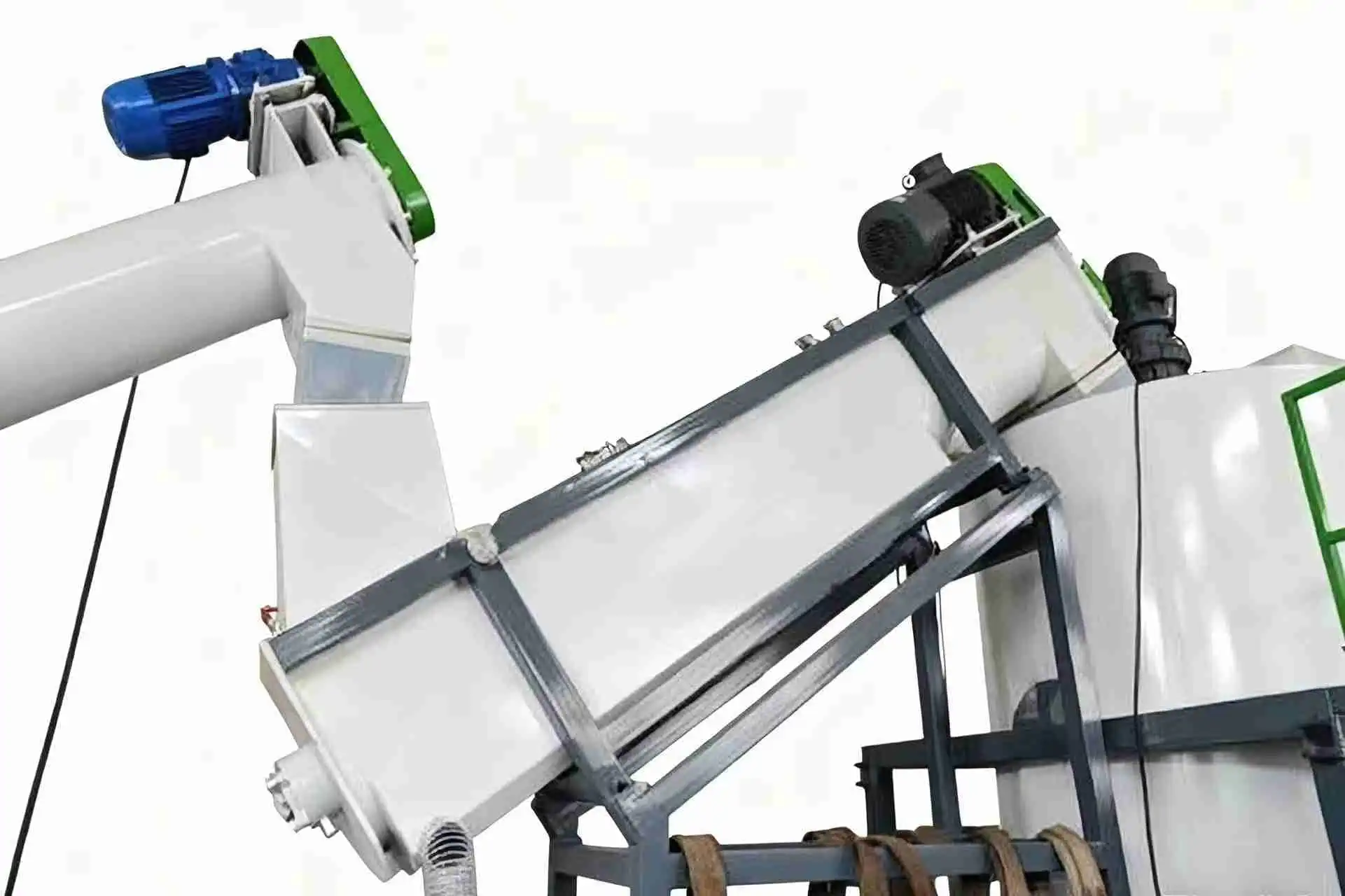
Equipment 06
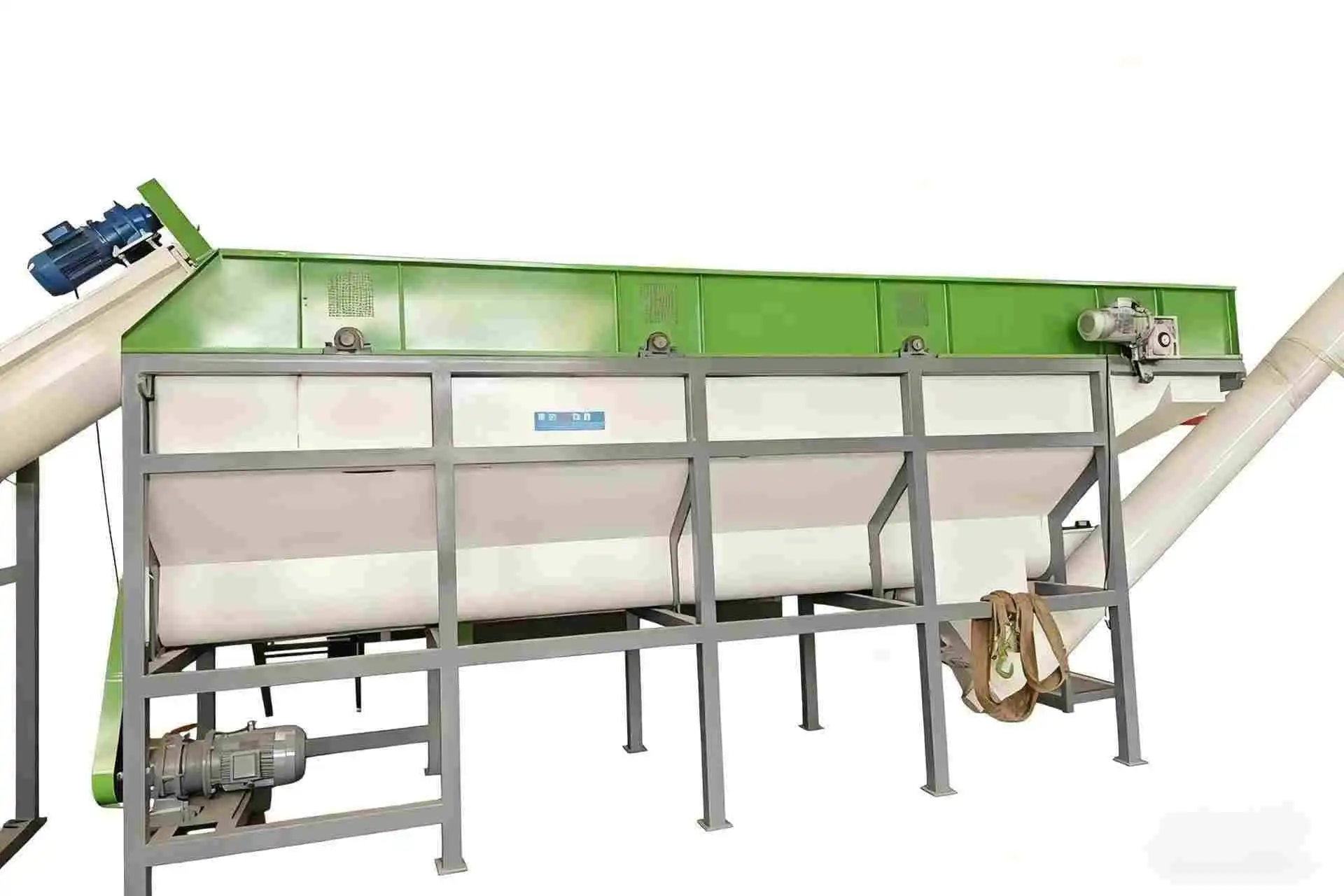
Equipment 07
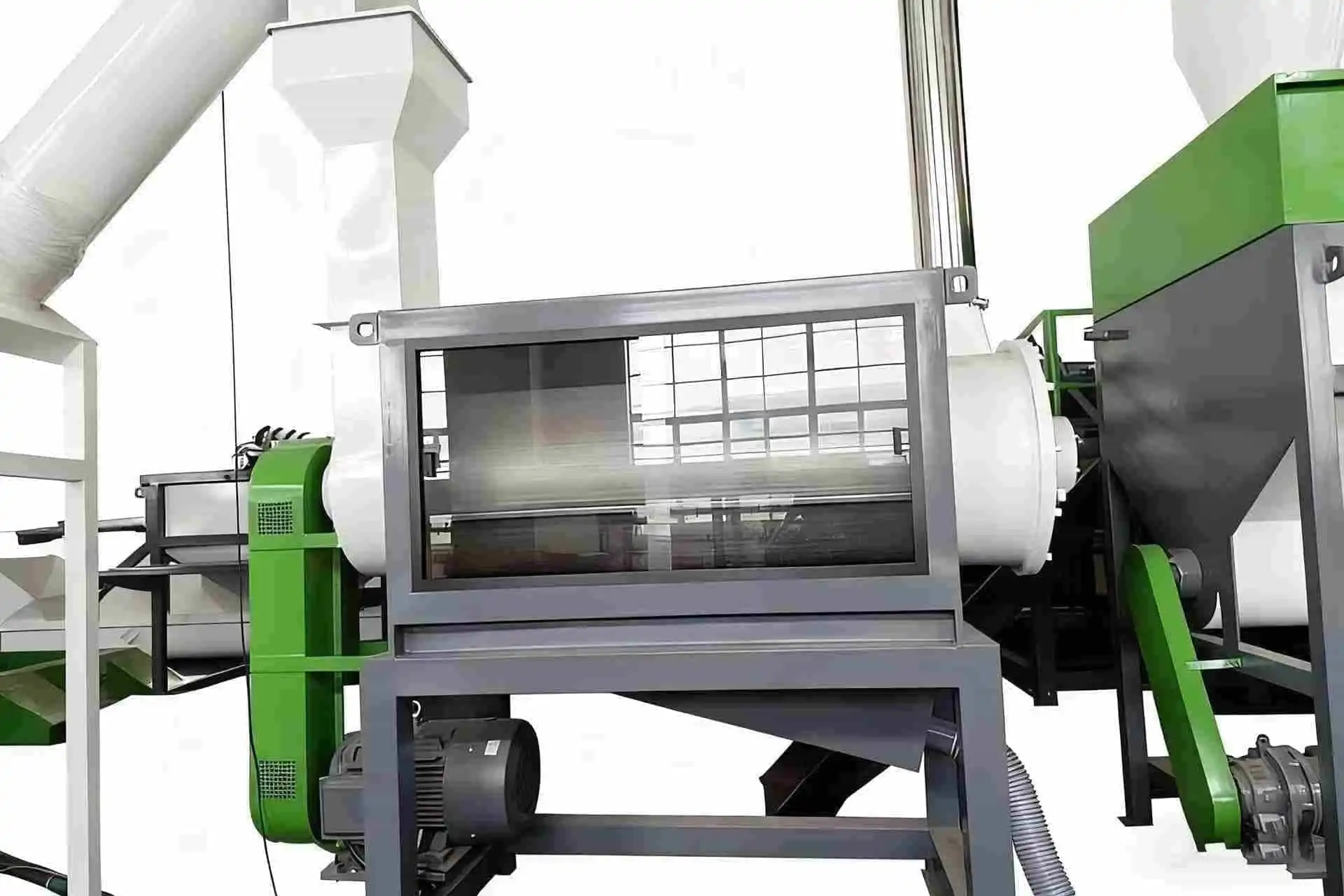
Equipment 08
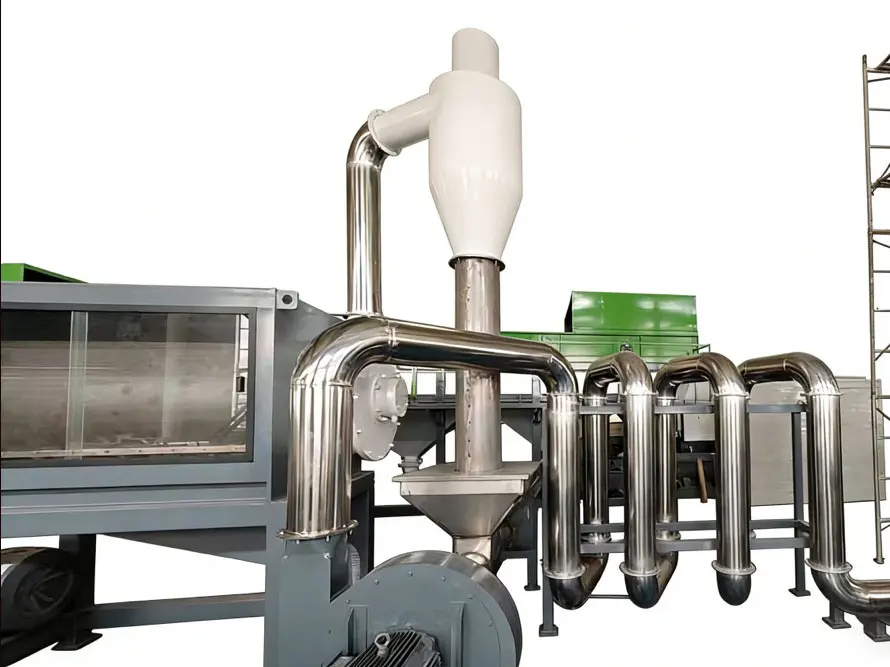
Equipment 09
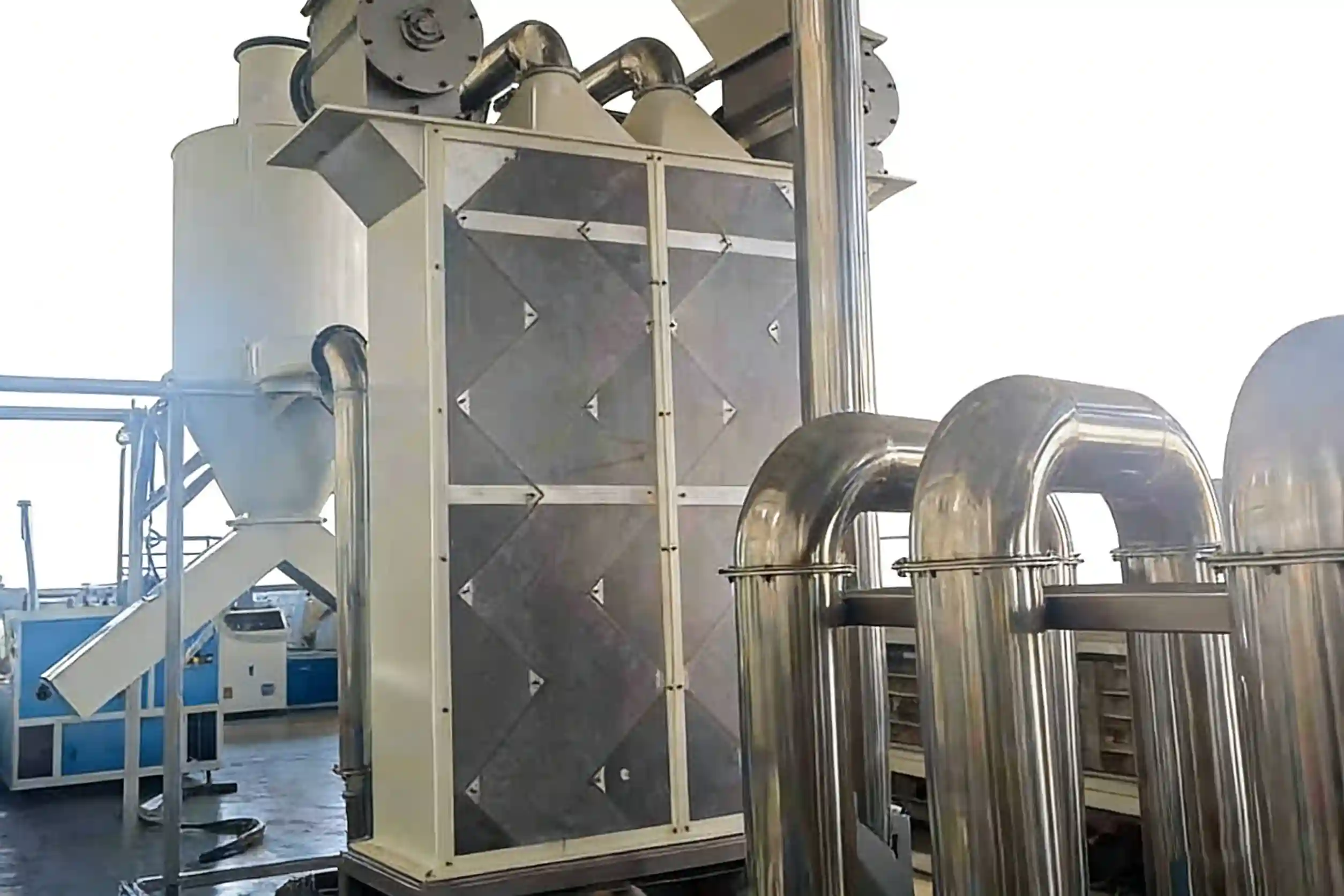
Equipment 10
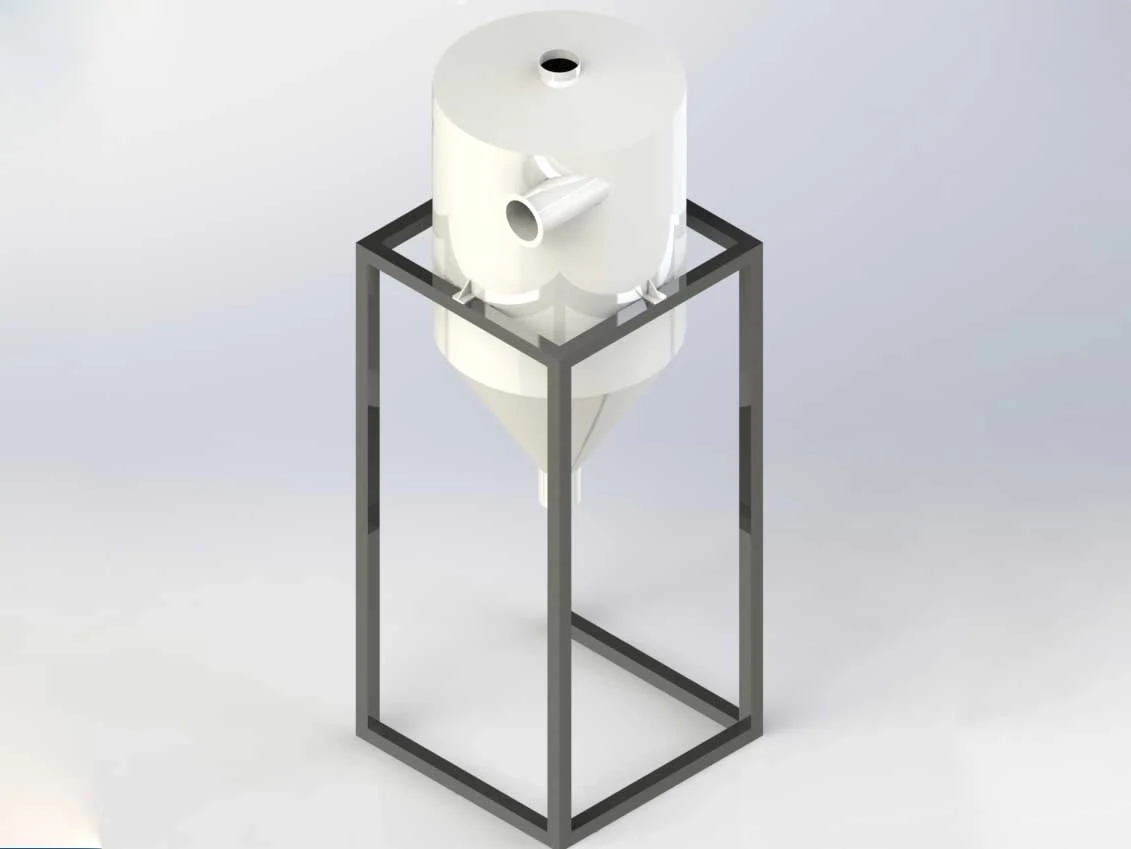
Equipment 11
Equipment 12
Washing intensity matched to your bottle contamination.
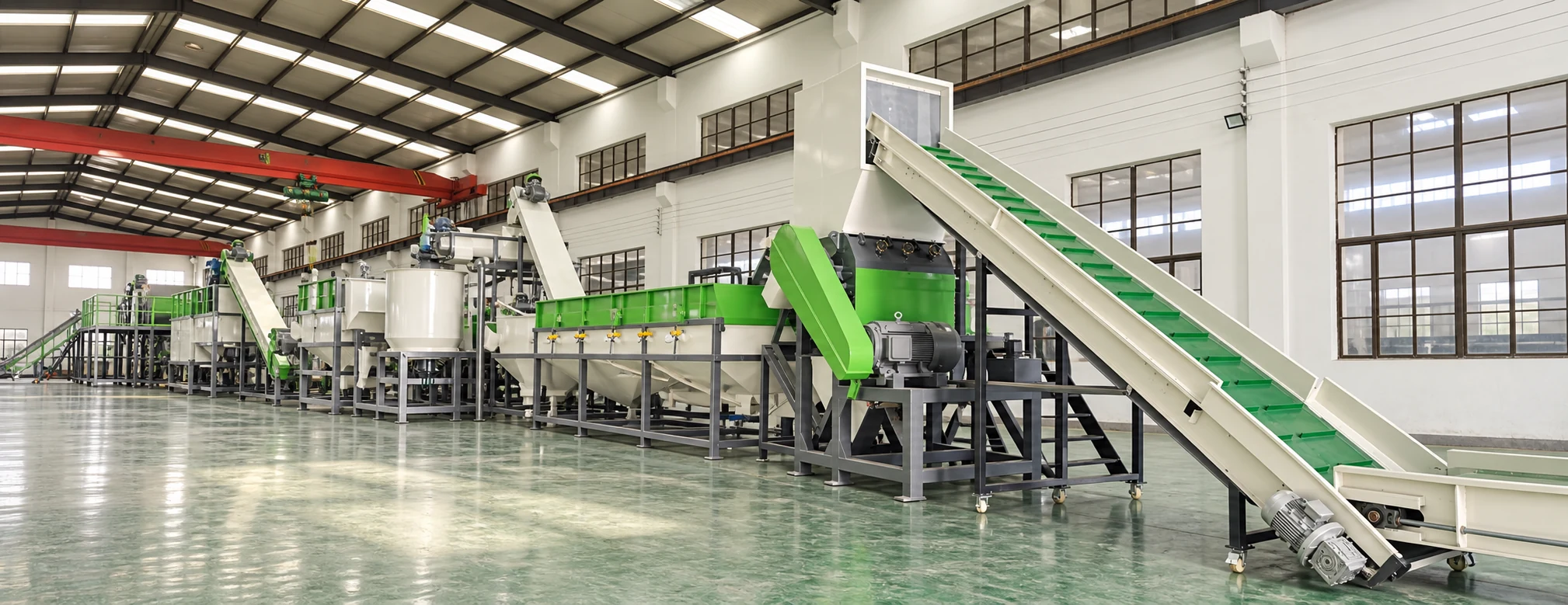
One connected route from feeding to dry flakes.
Planned around your space, utilities and access.
Input to output
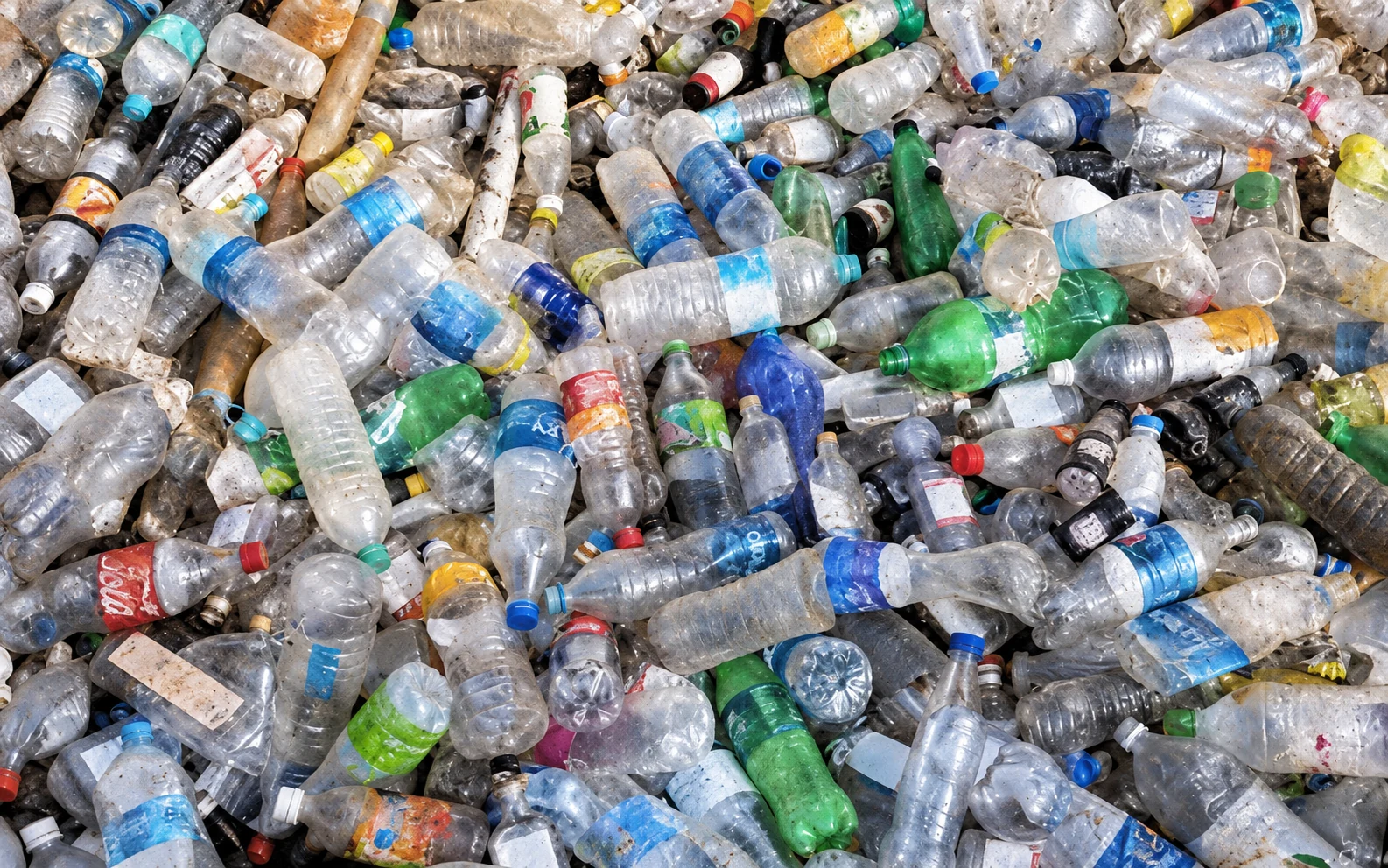
Used bottles with labels, caps, glue and sand.
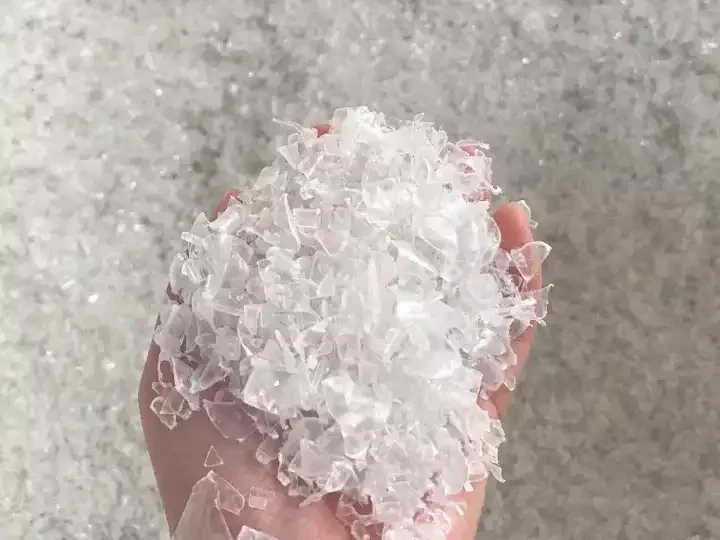
Clean, dry flakes for fiber, sheet, strap or pelletizing.
Engineering & delivery
Capacity
| Model | Capacity | Where it fits |
|---|---|---|
| PET500 | 500 kg/h | Entry line for small recycling plants and local collection projects |
| PET1000 | 1000 kg/h | Balanced configuration for commercial flake production |
| PET2000 | 2000 kg/h | Industrial line for higher throughput bottle recycling |
| PET3000 | 3000 kg/h | Large-scale washing line with stronger automation requirements |
| PET5000 | 5000 kg/h | High-capacity plant configuration planned around site utilities and layout |
| Moisture Content | <0.9% |
|---|---|
| Label | <20 ppm |
| PVC | <50 ppm |
| PP/PE | <20 ppm |
| Glue | <10 ppm |
| Metal | <20 ppm |
| Total impurity | <100 ppm |
| Flake size | 12 mm, 14 mm or customized |
FAQ
Cold washing suits cleaner bottles. Hot washing helps remove glue and oil for higher-quality flakes.
Share material photos, contamination, target capacity, end use, factory space and available utilities.
Washing alone is not sufficient. Food-contact use requires additional decontamination and applicable approvals.
Quality depends on the input material and process. Confirm targets using representative samples.
The layout is adapted to your building, utilities and maintenance access.
Continue the system
Engineering proposal