
Industry Insights
Request QuoteBrowse the archive
Latest articles: Industry Insights
Showing 16 articles
-
 Industry Insights01
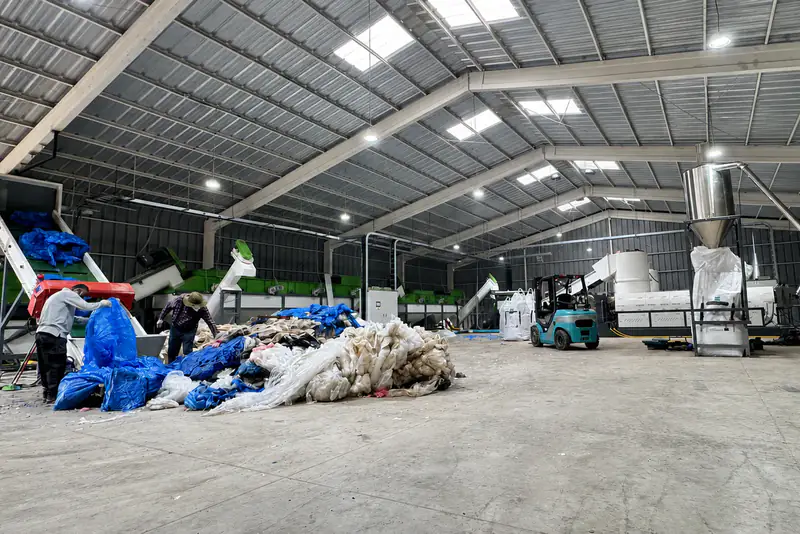
Agricultural Film Recycling: How to Remove Sand, Soil and Organic Contamination
How to wash mulch, greenhouse and silage film: remove stones and sand early, keep fine silt out of the water loop, dry film to about 5% and size the line on clean output.
-
 Industry Insights02
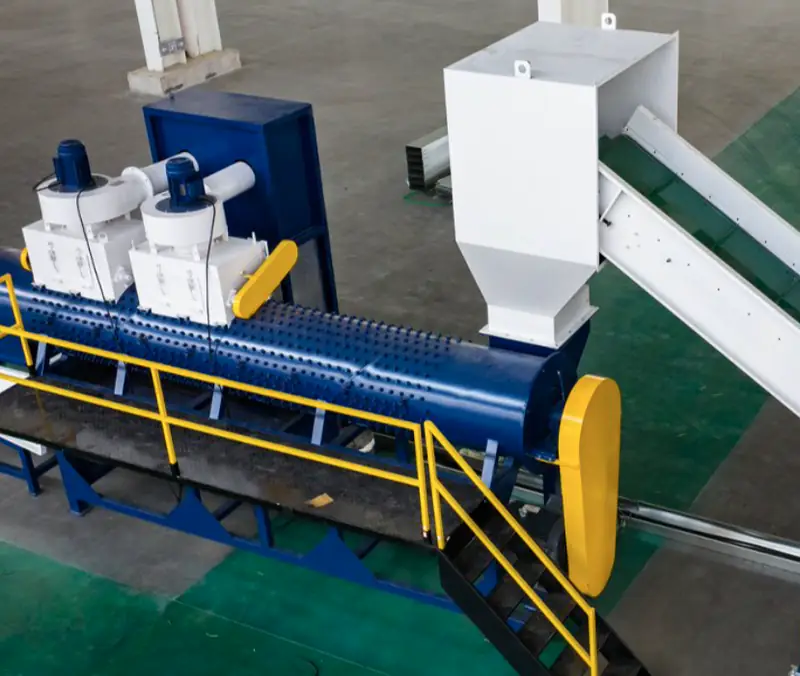
PET Bottle Label Remover: Why Labels Must Come Off Before Crushing
How a label remover machine scrapes sleeves and labels off whole PET bottles, where it sits in the washing line, what removal rate to expect and how to test it with your own bales.
-
 Industry Insights03
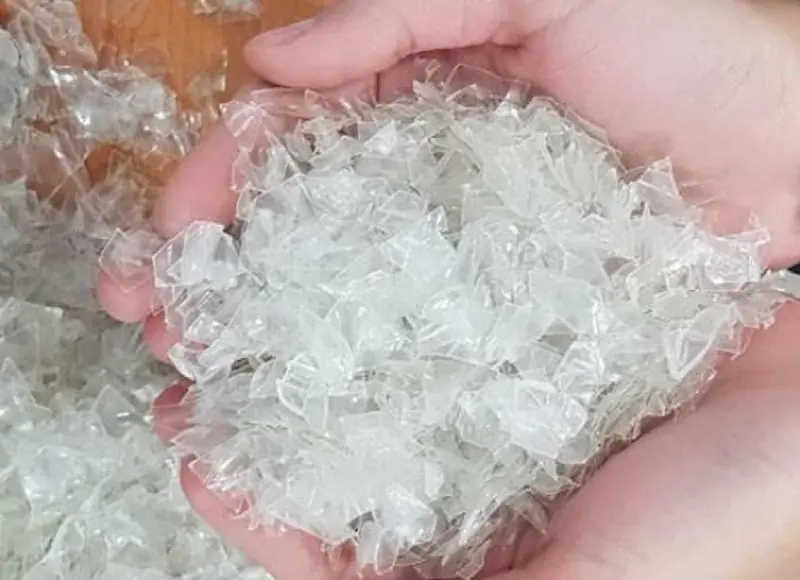
PET Flakes Quality Specification: Moisture, PVC, Labels, Glue and Fine Dust
Define washed and hot-washed PET flakes by measurable limits — moisture, PVC, polyolefins, glue, fines, metals, size and bulk density — and know which line section controls each.
-
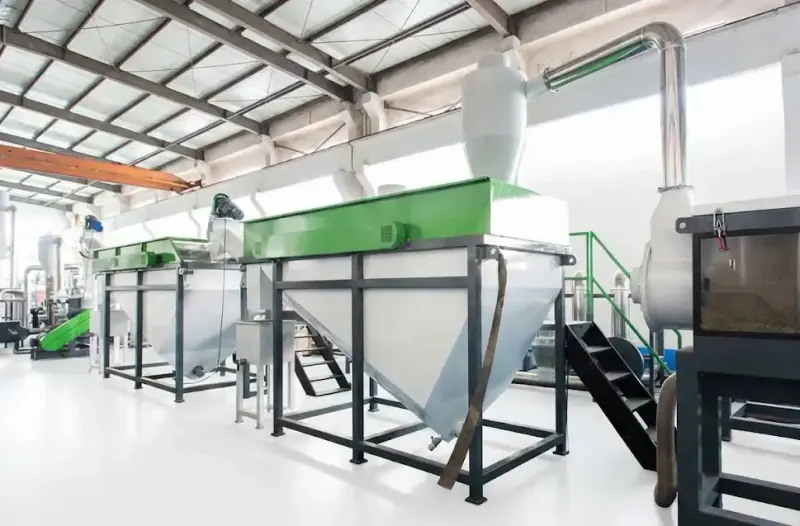 Industry Insights04
Hot Washing vs Cold Washing in a PET Washing Line: Which Process Do You Need?
Compare cold and hot PET flakes washing by contamination, flake application and operating cost to decide whether your PET washing line needs a hot washer.
-
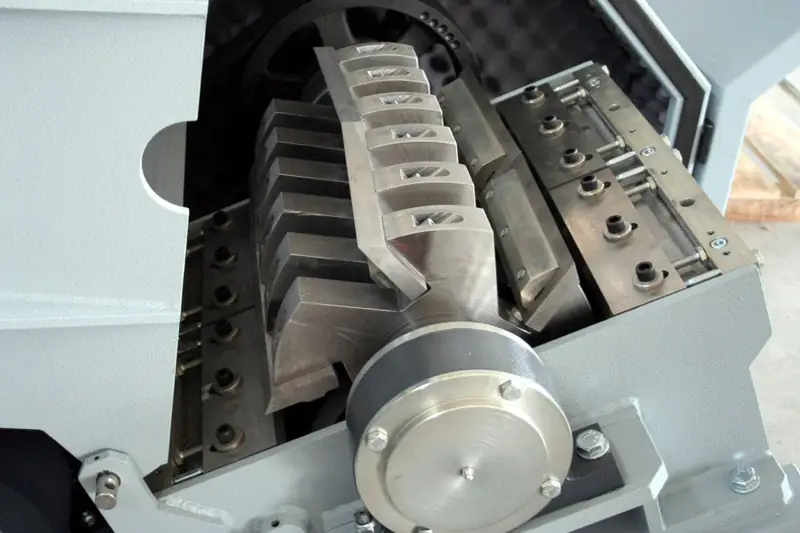 Industry Insights05
Plastic Crusher Blades (Granulator Knives): Material, Knife Gap, Wear and Maintenance
Blade steel, hardness, knife gap, sharpening and contamination decide how a plastic crusher really performs. A practical guide for buyers and maintenance teams.
-
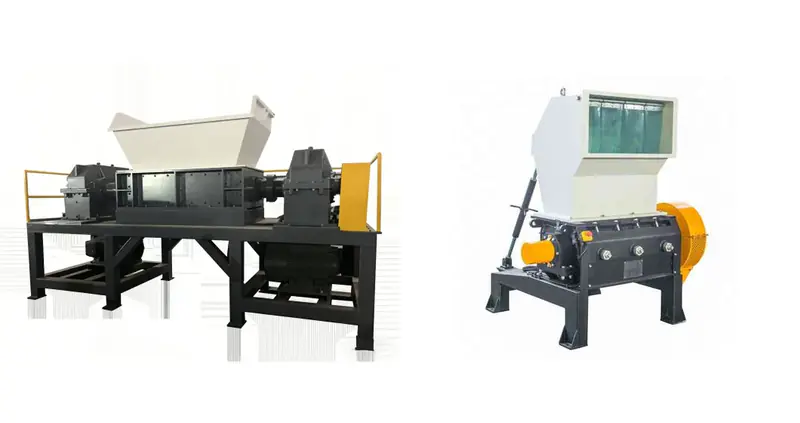 Industry Insights06
Plastic Shredder vs Crusher (Granulator): What Is the Difference?
Compare feed size, torque, screens and output to decide when direct crushing works and when a shredder and crusher belong in one line.
-
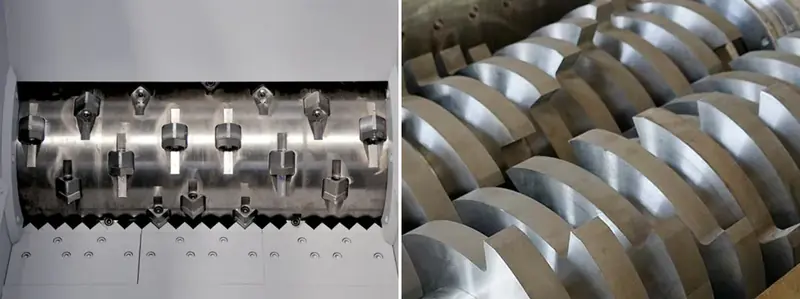 Industry Insights07
Single-Shaft vs Double-Shaft Shredder: Which One Should You Choose?
Compare feeding control, screens, output size and waste form to decide when a single-shaft or double-shaft shredder fits your recycling line.
-
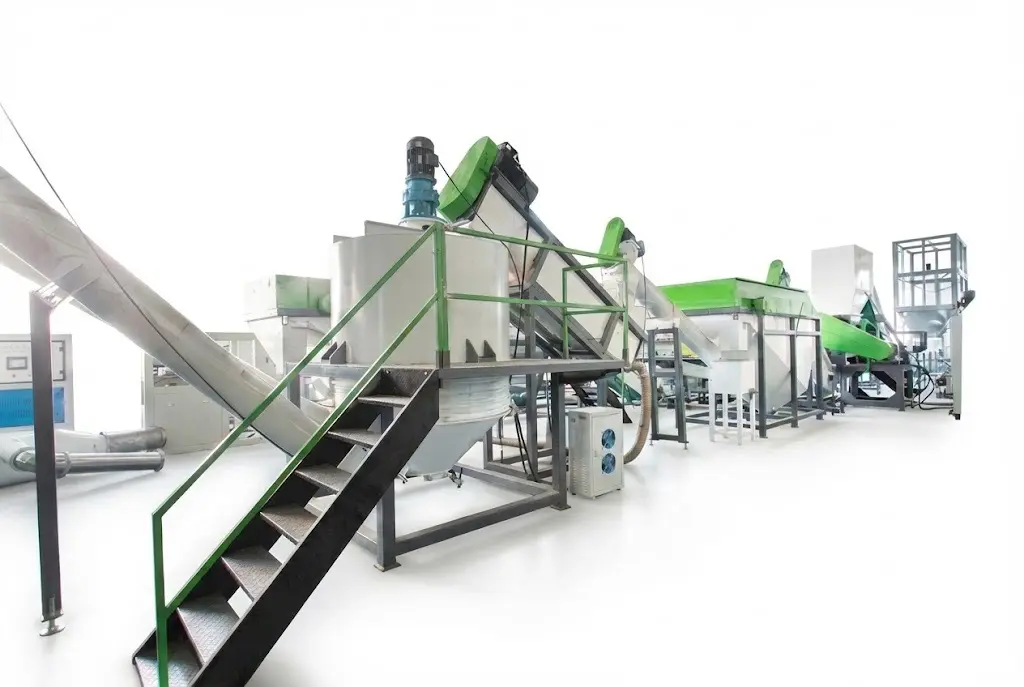 Industry Insights08
What Is a PET Bottle Washing Line and How Does It Work?
A complete guide to converting post-consumer PET bottles into clean flakes — the process stages, hot vs cold washing, and the output quality you can expect.
-
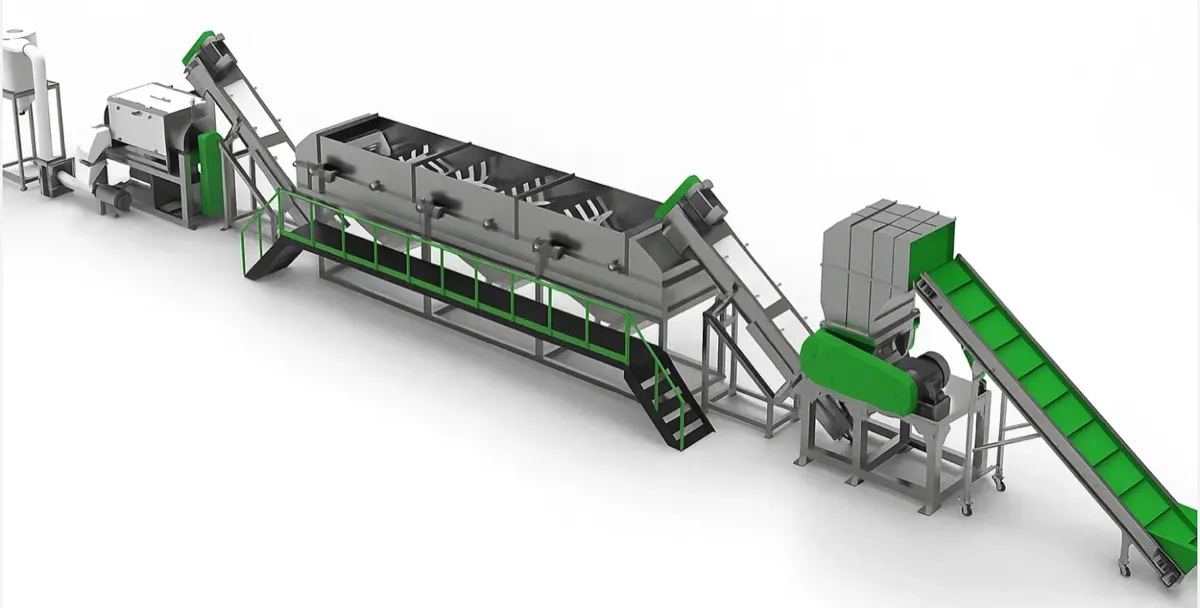 Industry Insights09
PP Woven Bag Washing Lines: Recycling Cement Sacks, FIBC and Raffia
How an integrated line turns contaminated woven polypropylene — cement bags, fertilizer sacks and jumbo bags — into clean PP flakes and pellets.
-
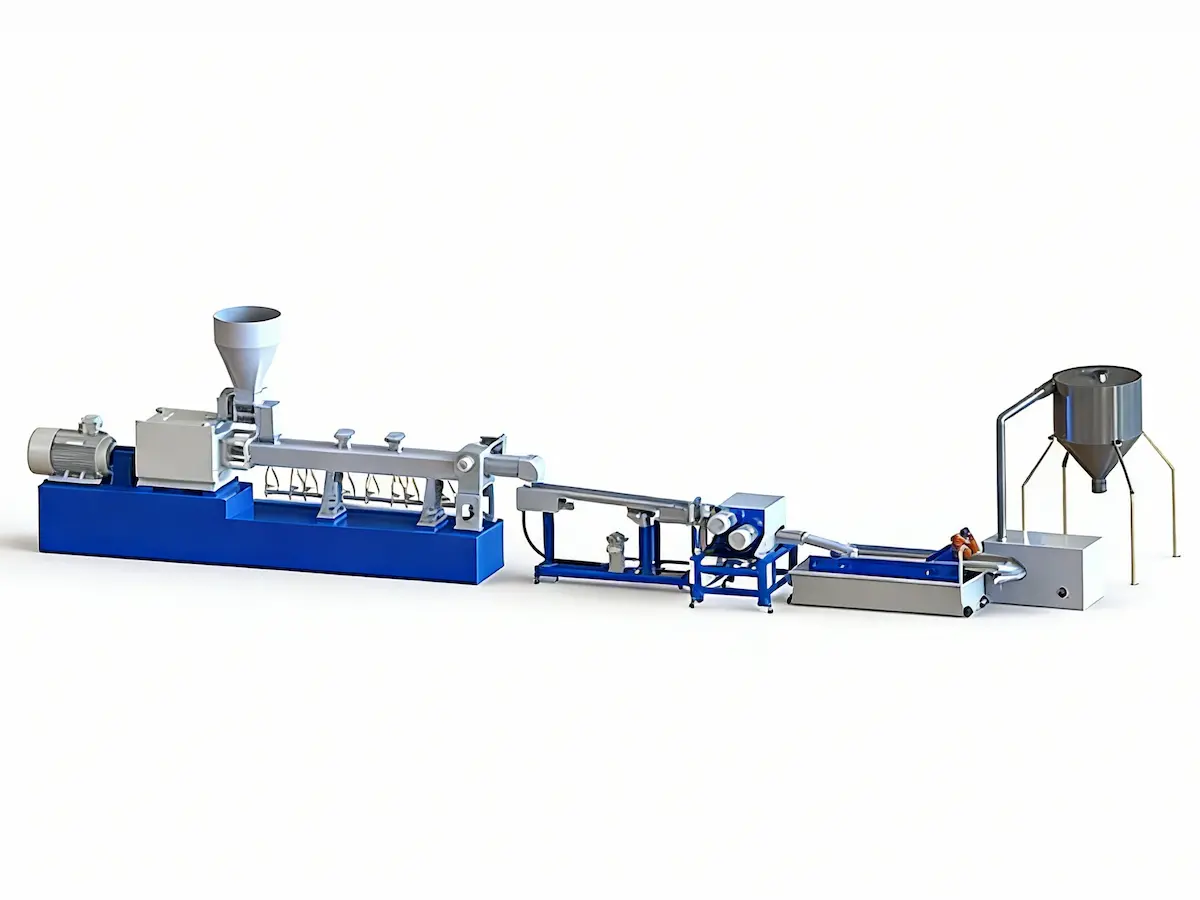 Industry Insights10
PET Pelletizing Machines: How IV Preservation Affects Pellet Quality
Intrinsic viscosity is the core of PET pelletizing. Learn how crystallization, vacuum degassing and melt filtration keep IV loss under 0.03 dl/g.
-
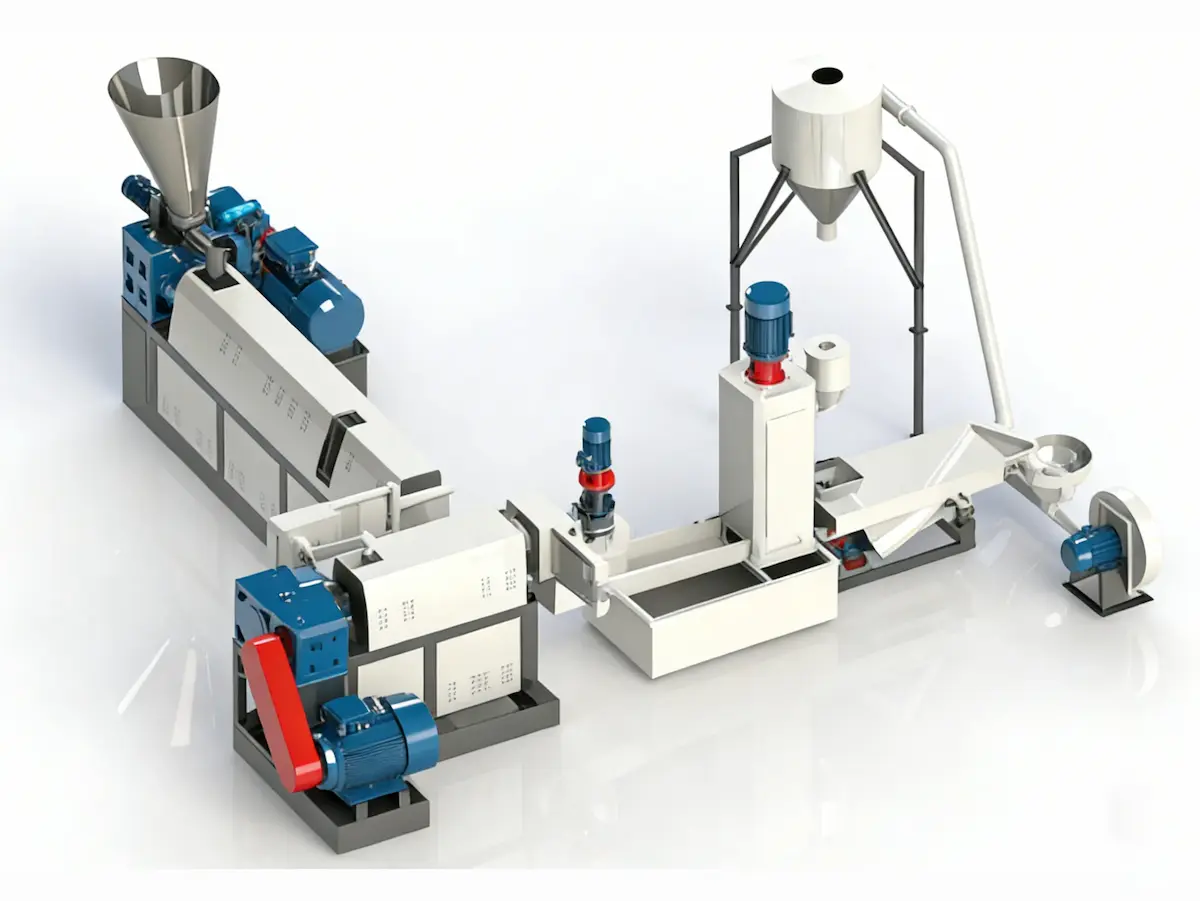 Industry Insights11
Pelletizing Methods Compared: Water Ring, Strand and Underwater
Water ring, strand and underwater pelletizing each suit different polymers and throughput. A practical comparison to help you choose.
-
 Industry Insights12
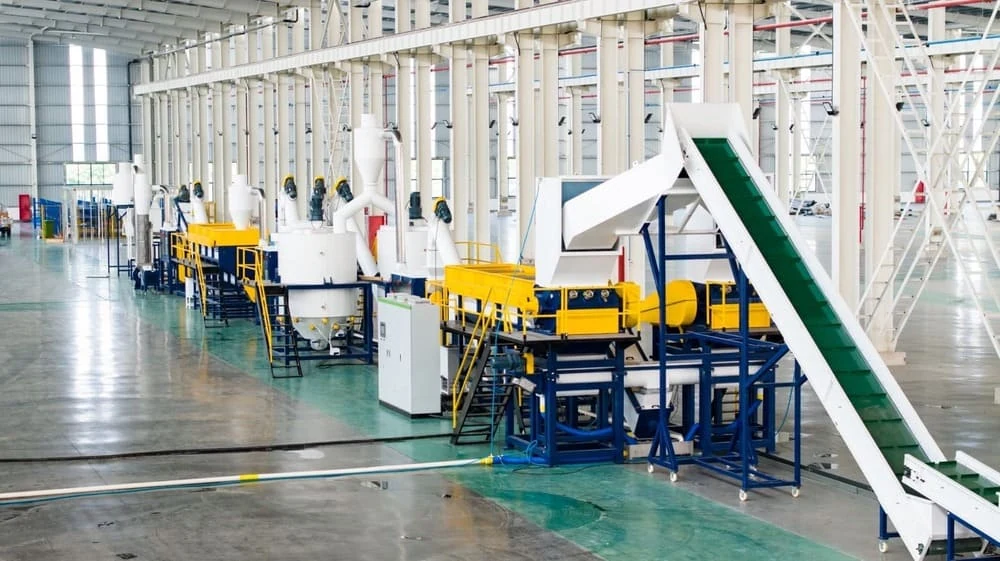
Which Machine to Recycle Plastic?
Wondering which machine to recycle plastic? A guide to matching shredders, washers and pelletizers to your material.
-
 Industry Insights13
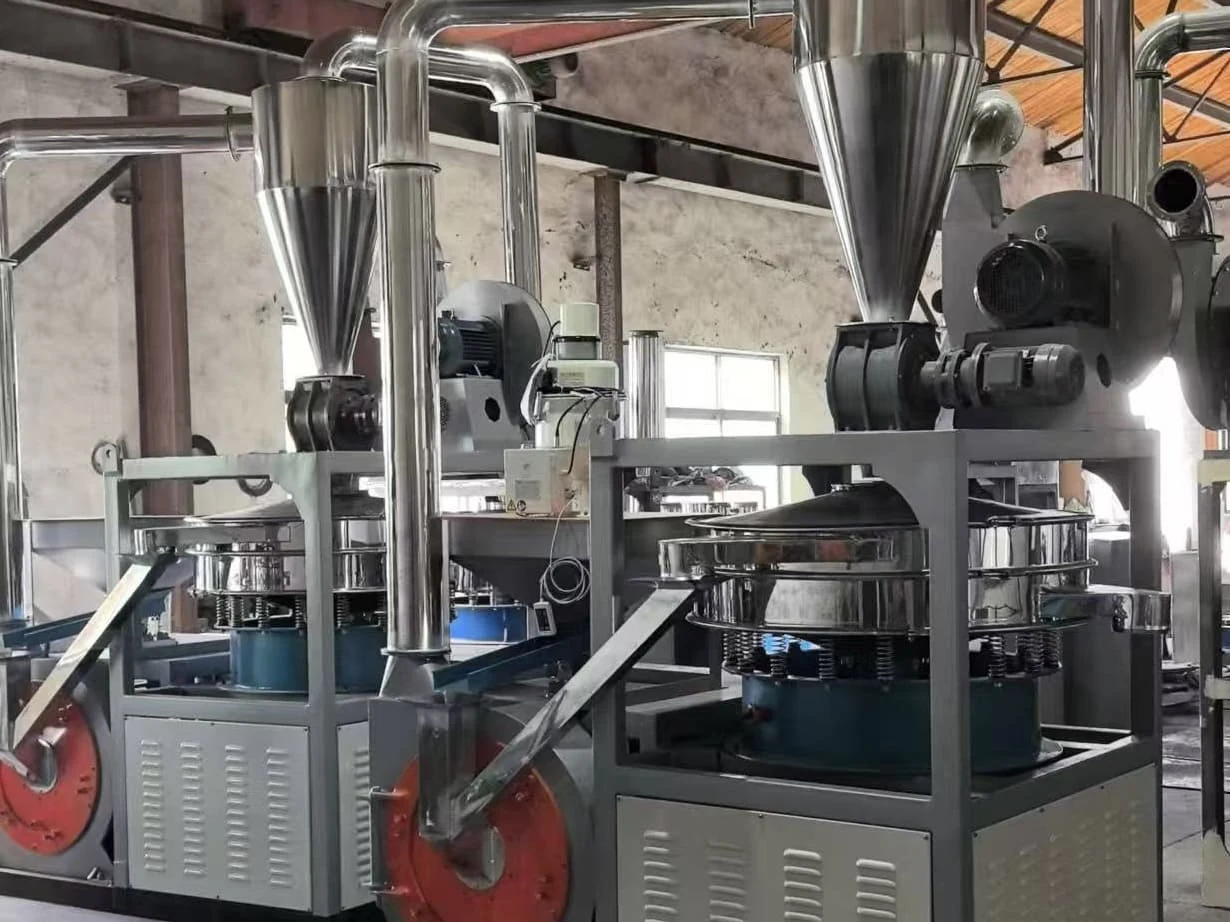
Crusher vs Grinder: Which Is Right for You?
Crushers and grinders both reduce plastic, but they work differently and suit different stages of recycling.
-
 Industry Insights14
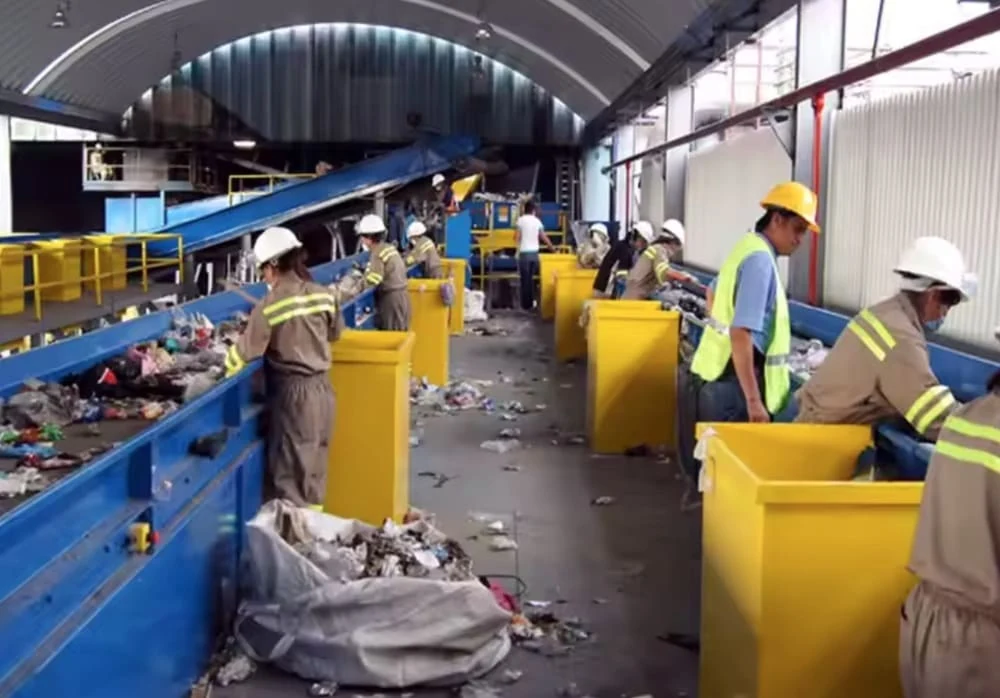
How to Reduce the Pollution Caused by MSW
Better sorting, washing and recovery of municipal waste plastics reduce pollution and create value for recyclers.
-
 Industry Insights15
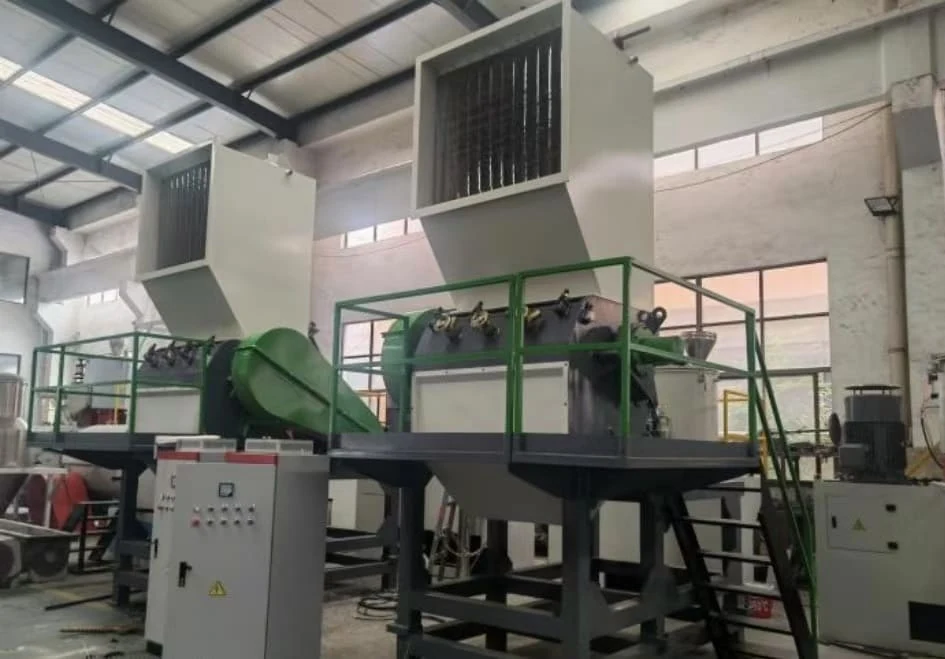
What Is a Plastic Crusher Machine?
Plastic waste is fed into the cutting chamber, where rotor blades shear it into uniform flakes for washing or granulating.
-
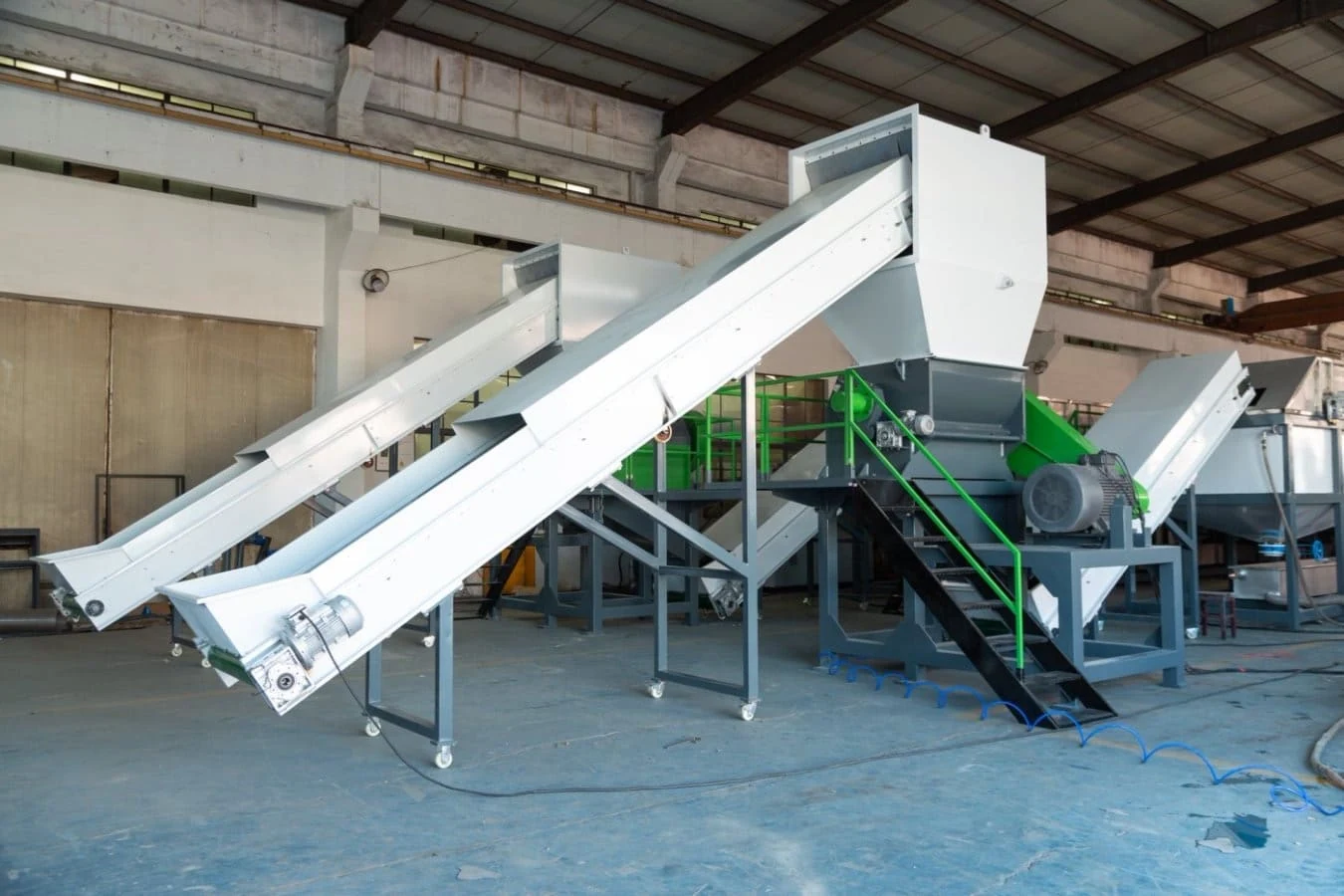 Industry Insights16
How a Plastic Crusher Works and How to Choose One
A practical look at how a crusher produces consistent flakes, and the factors to weigh when choosing the right machine.